

Now Reading: How to Explore Europe for Under $50 a Day in 2026
- 01
How to Explore Europe for Under $50 a Day in 2026

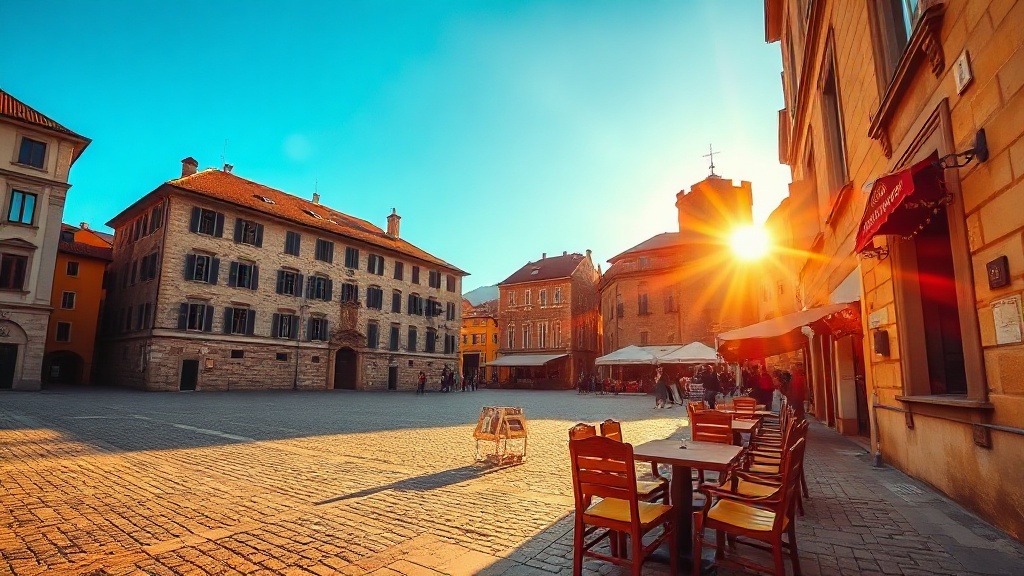
Traveling Europe on under $50 a day in 2026 is genuinely achievable — but only if you stop treating the budget as a vague goal and start treating it like a flight search: precise, strategic, and booked at the right moment.
I’ve done three separate Europe trips on tight budgets and the math always works out the same way: the people who blow past $100 a day aren’t spending more on experiences — they’re spending it on convenience they didn’t plan around. Here’s how to plan around it.
Start With the Cheapest Transatlantic Flight You Can Find
Getting to Europe is the single biggest line item, and it sets the tone for everything else. From the US East Coast, transatlantic fares on budget-friendly carriers regularly dip below $400 round-trip if you book 3–5 months out. From the West Coast, budget for $500–$650 on a good day.
Which airlines and routes to watch
- Norse Atlantic Airways operates routes from New York JFK, Los Angeles LAX, and Orlando MCO to London Gatwick (LGW) and several other European hubs. Their base fares frequently sit under $350 RT from the East Coast.
- Icelandair connects through Reykjavik (KEF) and often offers competitive positioning fares into continental Europe.
- Level (IAG’s low-cost long-haul arm) flies from Barcelona and occasionally posts sale fares from US gateways in the $380–$450 range.
- Google Flights’ “Explore” map is your best free research tool — set your origin, leave the destination open, and sort by price for the cheapest European entry point.
Honest tradeoff: Ultra-low fares usually mean bare-bones seats, no checked bags, and rigid change policies. On a 9-hour flight that’s uncomfortable, but on a $50-a-day budget, paying $60 each way instead of $300+ is worth the trade. Pack a neck pillow, download your shows, and call it done.
Choose Your Base Cities Wisely
Not all of Europe is equal on a shoestring. Western European capitals — Paris, Amsterdam, Zurich — will eat your $50 daily budget before lunch. The good news is that Central and Eastern Europe offers a dramatically cheaper cost of living, and in 2026 those cities are more connected than ever via budget rail and low-cost carriers.
The cheapest livable cities in Europe right now
- Krakow, Poland — Hostel dorms from $12/night; a full sit-down meal with a local beer under $8. One of the best-value cities on the continent, full stop.
- Tbilisi, Georgia — Technically the Caucasus but reachable via cheap Wizz Air and Ryanair hops from European hubs. Hostel beds under $10, food even cheaper.
- Sarajevo, Bosnia & Herzegovina — Under-the-radar even among budget travelers. Cevapi and a coffee for under $4.
- Skopje, North Macedonia — Probably the cheapest capital in the region; hostel dorms under $10, city bus fares under $0.50.
- Porto, Portugal — Pricier than the Balkans but still doable at $45–$55/day if you cook occasionally and stick to local tascas for meals.
- Sofia, Bulgaria — The metro costs about $1 per ride; a hostel bed runs $12–$16/night in a well-reviewed place.
Cities to avoid if you’re strictly on $50
London, Paris, Copenhagen, and Oslo will almost certainly push you past $50/day unless you’re sleeping in airport-adjacent hostels and skipping sightseeing entirely. A single day metro pass in Oslo costs around $10–$12. It adds up fast.
Accommodation: Where Your Budget Actually Lives or Dies
Lodging typically eats 40–50% of a daily travel budget. Get this wrong and the math collapses before you’ve ordered a single coffee.
What actually works under $50/day
- Hostel dorms in Eastern Europe: $10–$18/night in a clean, social 6–8 bed room. Hostelworld and Booking.com both have solid review systems — filter for 8.5+ and you’ll rarely get burned.
- Private rooms in guesthouses (not hotels): In Bulgaria, Romania, and the Western Balkans, a private guesthouse room with a private bathroom can still be found for $25–$35/night.
- Couchsurfing remains free and functional in 2026 for budget travelers who invest time in building a profile. Not for everyone, but it works.
- Monthly Airbnb stays: If you’re slow-traveling — spending 2–4 weeks in one city — monthly discounts on Airbnb can bring a private studio in Krakow or Sofia down to $450–$600/month, which is $15–$20/night.
Honest tradeoff: Hostel dorms are great for meeting people and terrible for sleep quality, especially in party-heavy cities like Prague or Budapest. If you’re a light sleeper, budget an extra $5–$8/night for a smaller dorm (4-bed) or you’ll be exhausted by week two.
Getting Around Europe Without Draining Your Budget
Once you’re in Europe, internal travel is where budget carriers really shine.
Budget airlines to use for intra-Europe hops
- Ryanair (hubs: Dublin, London Stansted STN, Kaunas, Warsaw Modlin): Fares between Eastern European cities often run $15–$35 one-way booked 6–8 weeks out. The checked bag fees are real, so carry-on only.
- Wizz Air (hub: Budapest BUD): Strong across Central and Eastern Europe. I booked London Luton (LTN) to Krakow (KRK) for €19 in early 2025 — 2026 pricing is similar on popular routes.
- easyJet (hub: London Gatwick LGW, Milan MXP): More reliable on-time performance than the two above, slightly higher base fares.
When to take the train instead
Rail beats flying on routes under 3 hours city-center to city-center. The Interrail/Eurail Global Pass in 2026 starts at around $260 for 4 travel days within 1 month for adults under 27 (youth pricing). For older travelers the adult pass starts closer to $340. It’s only worth it if you’re moving fast between multiple countries.
Point-to-point rail tickets — especially on regional Eastern European trains — are frequently under $15 and don’t require a pass at all. The Warsaw–Krakow express, for instance, runs about $12–$20 booked on PKP Intercity’s site.
Local transport
In most Eastern and Central European cities, a 24-hour transit pass costs $2–$5. Budget this in as a near-fixed daily cost and don’t sweat it.
Food and Drink: Eating Well Without Eating Out Constantly
Food is where a lot of travelers overspend without realizing it — not because restaurants are expensive, but because they eat three restaurant meals a day when one or two would be fine.
A realistic food strategy for $10–$15/day
- Breakfast at the hostel or supermarket: Most hostels in Eastern Europe serve basic breakfast (bread, eggs, coffee) for free or $2–$3. Otherwise, a supermarket run — yogurt, fruit, local bread — costs $2–$4.
- Lunch as your main meal: In Poland, Bulgaria, Serbia, and Romania, a two-course lunch at a sit-down restaurant (“lunch menu” specials) runs $5–$8 including a drink.
- Dinner light: Street food, market stalls, or self-catering at your hostel kitchen. A big bag of groceries for a self-cooked dinner costs $4–$7 in most Eastern European supermarkets.
- Tap water: Free everywhere in Europe that meets EU drinking water standards (which includes Poland, Czech Republic, Hungary, Bulgaria, etc.). Stop buying bottled water.
Honest tradeoff: Eating this way means you’ll miss some excellent sit-down restaurants. If there’s a dish or a place you genuinely want to try, budget for it intentionally — factor a $20–$25 splurge dinner into your weekly average rather than your daily cap.
Free and Low-Cost Sightseeing
The good news about Europe is that a remarkable amount of its best sightseeing is either free or very cheap.
What you can do for $0–$5
- Free museum days: Many major European museums offer free admission on the first Sunday of the month or on specific evenings. The Louvre in Paris is free for under-26s from EU countries; in 2026 it’s worth checking their current policy if that applies to you.
- Walking the old towns: In Krakow, Tallinn, Dubrovnik, and Olomouc, just walking the medieval streets is the attraction. Free.
- Churches and cathedrals: Most are free to enter (side chapels and towers sometimes charge $3–$6).
- City parks and public markets: Zero cost and genuinely one of the best ways to understand a place.
Where you’ll need to budget
- Major ticketed sites — the Colosseum in Rome ($18–$22), Prague Castle ($12–$15 for the full circuit), Auschwitz-Birkenau memorial near Krakow (free but timed-entry booking required) — should be pre-planned and included in your weekly budget, not your daily cap.
Putting It All Together: A Sample $50/Day Breakdown
Here’s what a realistic day looks like in Krakow in 2026:
- Accommodation (hostel dorm, 8.5+ rated): $14
- Breakfast (hostel or supermarket): $2
- Lunch (two-course lunch special at a milk bar or local restaurant): $6
- City transit (all-day pass): $3
- Sightseeing (blend of free + one paid entry, averaged out): $5
- Dinner (street food or self-caoked): $6
- Coffee + snacks: $4
- Buffer/incidentals: $10
Total: $50
It’s tight but it’s real. The buffer is important — it covers the occasional beer, a souvenir postcard, or the day you decide to splurge on that duck confit.
The One Thing That Kills Budget Europe Trips
It’s not the cities or the food — it’s last-minute booking. Ryanair fares bought 48 hours out can be 3–4x what they’d cost booked six weeks earlier. Hostels in peak summer (June–August) in popular cities fill up fast, and the remaining beds go for $30–$40/night, wrecking your daily math.
Book your flights and first two nights of accommodation before you leave home. Everything else can be flexible.
Your Concrete Next Step
Open Google Flights right now, click the Explore destination bubble, set your origin and travel window to March–May 2026 (shoulder season, cheaper fares, smaller crowds), and find the cheapest European entry point. Then cross-reference that city against the budget list above. If the entry point is expensive (London, Paris), budget one night there and immediately book a $20 Ryanair hop east. That one decision will save you $30–$40 a day for the rest of your trip.








Pingback: Top 10 Budget Hostels in Europe for 2026