Now Reading: Explore Patagonia in 2 Weeks: A 2026 Road Trip Guide
- 01
Explore Patagonia in 2 Weeks: A 2026 Road Trip Guide

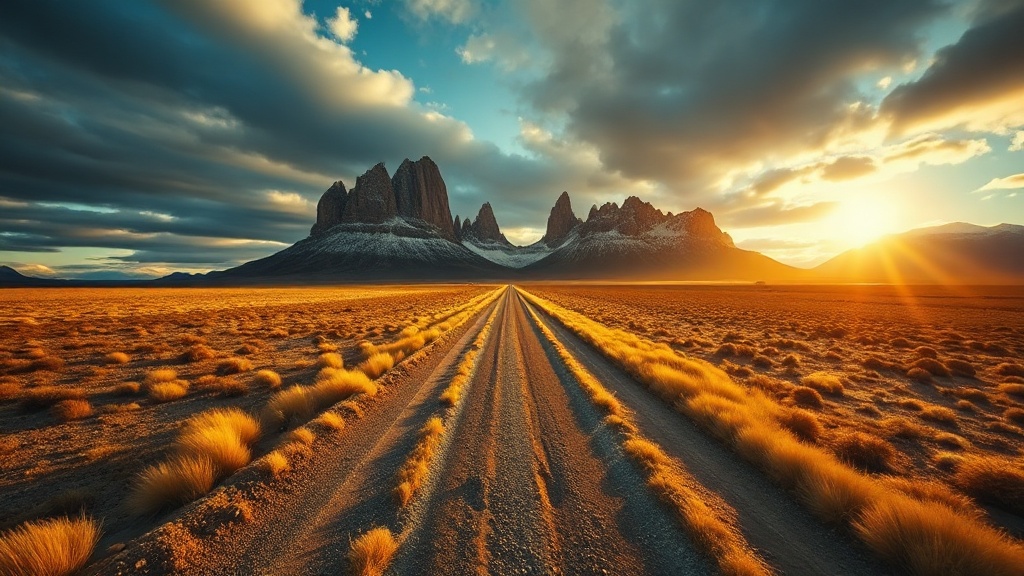
Explore Patagonia in 2 Weeks: A 2026 Road Trip Guide
Two weeks in Patagonia is enough to cover the essential stretches of Chilean and Argentine steppe, glacier country, and wind-beaten coastline — if you plan the logistics tightly from day one. The flying piece alone can make or break the trip, so let’s start there.
Getting to Patagonia: Flights and Entry Points
The two main gateways are Punta Arenas (PUJ), Chile and El Calafate (FTE), Argentina. Most travelers coming from North America or Europe will connect through Santiago (SCL) or Buenos Aires (EZE), and that connection leg is where pricing swings the most.
Best Booking Window for 2026
- Book international flights (e.g., New York JFK → SCL) at least 4–5 months out for the best fares. In 2025, economy tickets on that route typically ran $700–$1,100 round-trip; expect similar or slightly higher pricing in 2026 given continued fuel surcharges.
- Domestic connections within Chile or Argentina — think SCL → PUJ on LATAM or EZE → FTE on Aerolíneas Argentinas — often run $80–$180 one-way when booked early. Wait until two weeks out and that can double.
- Open-jaw routing (fly into Punta Arenas, out of El Calafate, or vice versa) is worth a few extra dollars on the search. It eliminates a 5–6 hour backtrack drive and saves a full day.
Tradeoff #1: Chilean vs. Argentine Side First?
Starting in Punta Arenas and ending in El Calafate is the more logical geographic flow — south to north along the Andes corridor. The downside is that PUJ has fewer international flight options than FTE, so if you’re coming from a smaller North American city, the EZE connection is often cheaper and less of a scheduling headache. Run both directions on Google Flights before committing.
The 2-Week Itinerary: Day-by-Day Breakdown
Days 1–2: Punta Arenas and the Strait of Magellan
Land at PUJ, pick up your rental car (more on that below), and give yourself a recovery day in Punta Arenas. The city’s main value is logistical — stock up on food, fuel, and a Chilean SIM card. The Mirador La Cruz gives you a solid orientation view of the Strait without burning much time.
Drive time from PUJ to Puerto Natales: roughly 3.5 hours (250 km) on Ruta 9.
Days 3–5: Torres del Paine National Park
This is the anchor of any Patagonia itinerary. The park entrance fee for international visitors in 2025 was approximately $36 USD in peak season (November–February); expect a similar or modestly higher rate in 2026. Pay it — it’s worth every cent.
What to prioritize in 3 days:
- The Mirador Las Torres base hike (8–9 hours round-trip from the Ascencio trailhead) — non-negotiable if your knees cooperate
- A half-day on Lago Grey for views of the Southern Patagonian Ice Field
- A dawn drive along the Lago Pehoé circuit for the tower reflections photographers live for
What to skip: The full W-Trek requires 4–5 days minimum. On a 2-week road trip, trying to squeeze it in means rushing, poor sleep, and missed stops elsewhere. Day hikes give you 80% of the scenery for a fraction of the logistics.
Days 6–7: Puerto Natales to Puerto Río Tranquilo (~560 km, 6.5 hrs)
This drive north along the Carretera Austral is one of the best on the continent. Break it up with a stop at Villa Cerro Castillo — the hike to the base of the castle-shaped spires takes about 3 hours and sees a fraction of Torres del Paine’s crowds.
Overnight in Puerto Río Tranquilo specifically to access Capillas de Mármol (Marble Caves) by boat the next morning. Tours run about $15–$25 USD and last 1–1.5 hours. Go as early as possible; morning light through the blue water makes the difference.
Tradeoff #2: Renting a Car Across Borders
Driving a Chilean rental car into Argentina — which you’ll need to do if you’re crossing to El Chaltén or El Calafate — requires explicit written permission from the rental company and usually costs an additional $30–$80 USD per day in insurance surcharges. Not every agency allows it at all. Confirm this before you book, not at the counter. Alternatively, drop the car at the border town of Villa O’Higgins, cross by ferry, and pick up an Argentine rental in El Calafate — it’s slower but cheaper.
Days 8–9: El Chaltén, Argentina
El Chaltén is the trekking capital of Argentine Patagonia, sitting at the base of Cerro Fitz Roy and Cerro Torre. Entry into Los Glaciares National Park (northern sector) is free as of 2025 — a genuine budget win.
- Laguna de los Tres trail: 20 km round-trip, 1,200 m elevation gain, 7–9 hours. The final scramble to the lagoon above is steep but the Fitz Roy face from up there is the defining image of this part of the world.
- Laguna Torre trail: 18 km round-trip, gentler, and less crowded. Better option if you want Cerro Torre without the brutal final climb.
The village itself has good pizza and beer. Accommodation books out months ahead in peak season — reserve by August 2025 if you’re traveling in January or February 2026.
Days 10–11: El Calafate and Perito Moreno Glacier
El Calafate (FTE) is the transit hub, but the real draw is Perito Moreno Glacier, 80 km west. The park entrance fee runs about $30–$45 USD for non-Argentine visitors. Spend at least half a day on the boardwalks watching the glacier calve — chunks the size of apartment buildings break off with a sound like cannon fire. It’s genuinely startling.
Mini-trekking on the glacier (crampons included) runs around $150–$180 USD and is offered by a handful of licensed operators. It’s a splurge, but walking on 700-year-old ice is a different experience than watching from the walkways. Book it in advance through your accommodation or directly with operators in El Calafate town.
Days 12–13: Tierra del Fuego — Ushuaia
Flying from FTE to USH (Ushuaia) takes about 1.5 hours and costs $60–$130 USD one-way on Aerolíneas Argentinas when booked ahead. Ushuaia markets itself as “the southernmost city in the world,” which is technically disputed, but the Beagle Channel and the surrounding Martial Range are legitimately dramatic.
- Tierra del Fuego National Park is a 12 km drive from town; park entry is around $20 USD for foreigners.
- The Beagle Channel boat tours (3–4 hours) run roughly $40–$70 USD and get you past sea lion colonies and the Les Éclaireurs lighthouse.
- Eat king crab (centolla) at least once. It’s expensive (~$30–$40 USD for a full plate) and worth it.
Day 14: Fly Home via Buenos Aires
Most routing goes USH → EZE → your home hub. The USH–EZE flight runs about 3.5 hours. Budget a minimum 5-hour layover at EZE — it’s a large airport and international check-in queues can be slow. If you’re routing through SCL instead, the USH → SCL leg often involves a stop at Río Gallegos or Punta Arenas; confirm your itinerary doesn’t leave you sprinting.
Practical Logistics: Car, Weather, and Money
Rental Cars in Patagonia
- Book as early as possible — reputable fleets at PUJ and FTE get thin by October each year for the November–February season.
- Go for at least a 4×4 or high-clearance SUV. Sections of the Carretera Austral are unpaved ripio (gravel), and a low-riding sedan will slow you down and risk undercarriage damage.
- Budget $80–$140 USD per day for a mid-size 4×4, all-in. Add the cross-border fee if applicable.
- Fill up whenever you see a gas station. In remote stretches, the next one may be 100+ km away.
Weather in Patagonia
Patagonia’s shoulder seasons — October–November and March–April — offer a real advantage in 2026: lighter crowds, lower accommodation prices (sometimes 20–30% below peak rates), and trail conditions that are still excellent. The core January–February window is peak for a reason — longer daylight and more stable weather — but it’s also when everything is most expensive and most crowded.
Pack for four seasons in a single day regardless of when you go. Wind is the constant; layers and a waterproof shell are non-negotiable.
Currency and Payments
- Argentina: As of 2025, the official USD exchange rate and the informal “blue dollar” rate have narrowed significantly, but always check current conditions. Many tourist services in El Calafate and El Chaltén accept USD cash or card.
- Chile: Cards are widely accepted throughout, but carry some Chilean pesos for smaller towns along the Carretera Austral.
- Withdraw cash before heading into remote stretches — ATMs are sparse and often out of pesos.
What This Trip Costs, Realistically
Here’s a rough per-person budget for a 2-week Patagonia road trip from a North American city in 2026:
| Category | Budget Estimate (USD) | |—|—| | International flights (round-trip) | $800–$1,200 | | Domestic flights (SCL–PUJ, FTE–USH, USH–EZE) | $250–$500 | | Rental car (14 days, 4×4) | $1,000–$1,500 | | Accommodation (mix of hostels/mid-range hotels) | $600–$1,000 | | National park fees | $130–$200 | | Food and activities | $500–$800 | | Total (per person, shared car) | $3,280–$5,200 |
This is a real-world range, not a “from” number. Solo travelers will pay more per person on car costs; couples sharing a room land closer to the lower end.
Your Concrete Next Step
Right now — not after you’ve “thought about it more” — open Google Flights and search [your home city] → PUJ and USH → [your home city] as separate one-way tickets for your target November 2025 or October 2026 dates. Set a price alert on both legs. Then head to the LATAM and Aerolíneas Argentinas websites directly to check the domestic connection legs, since those don’t always surface cleanly in aggregators. Flights to Patagonia during peak season fill up fast; the itinerary above only works if the air logistics are locked in first.