Now Reading: 7-Day Amalfi Coast Itinerary You’ll Absolutely Love in 2026
- 01
7-Day Amalfi Coast Itinerary You’ll Absolutely Love in 2026

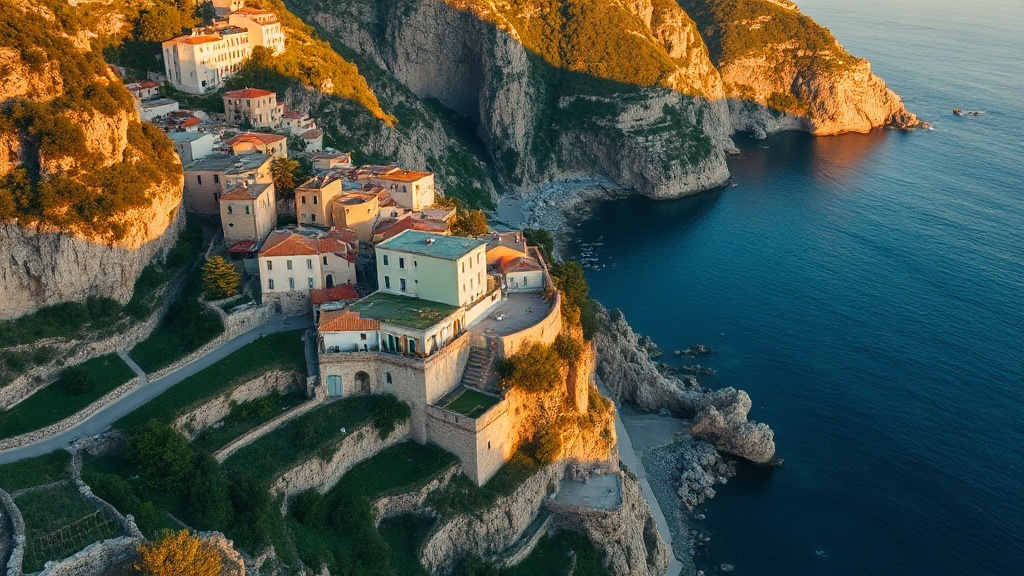
7-Day Amalfi Coast Itinerary You’ll Absolutely Love in 2026
Flying into Naples International Airport (NAP) for around $650–$900 round-trip from major US East Coast cities is your first smart move — and everything after that is downhill, literally, along some of the most dramatic coastline in Southern Italy.
This itinerary is built for people who want to actually experience the Amalfi Coast rather than speed-run it. Seven days is the sweet spot: long enough to slow down in Positano, explore the backstreets of Ravello, and still catch a ferry without sweating through your linen shirt. Here’s exactly how to do it.
Getting There: Flights and the Naples Gateway
Book Early — Spring 2026 Fares Won’t Last
The Amalfi Coast sits about 60 km south of Naples, making NAP the logical entry point. For travel in May or June 2026, I’d start watching fares no later than November 2025. That’s historically when transatlantic pricing softens before the holiday spike locks it back up.
- New York (JFK) to Naples: Typically $650–$900 round-trip in shoulder season; expect $1,100+ in July and August.
- Chicago (ORD) to Naples: Often routed via Rome (FCO) or Milan (MXP) on carriers like ITA Airways, Lufthansa, or United; budget $750–$1,050.
- Los Angeles (LAX) to Naples: Longer haul, frequently $950–$1,300; a stopover in Frankfurt or Amsterdam usually makes sense.
Honest tradeoff: Flying into Rome (FCO) instead can shave $100–$150 off your ticket. But then you’re adding a 3–4 hour train or car journey down to the coast on day one. For most people, paying the premium to land in Naples is worth it — you’re on a ferry to Positano within 90 minutes of clearing customs.
Naples Airport to the Coast
From NAP, the fastest move is the Alibus shuttle to Naples Centrale (€5, about 20 minutes), then a regional train to Salerno or Sorrento, or a direct ferry from Molo Beverello port in high season. The ferry from Molo Beverello to Positano runs roughly April through October and takes around 1 hour 40 minutes for about €20–€25.
Day 1–2: Settle Into Positano
Land in Naples, grab a coffee at the airport — seriously, Italian airport espresso is fine — and get yourself to Positano by early afternoon. Check in, resist the urge to nap, and walk down to the Spiaggia Grande beach instead. The water in May 2026 will be cool (around 18–20°C) but swimmable and far less packed than July.
What to Do
- Rent a sun lounger on Spiaggia Grande (~€15–€25/day) and decompress from the flight.
- Walk the Via Positanesi d’America promenade at dusk — it’s a flat 10-minute loop, rare for a town built on a cliff.
- Eat at one of the trattorias on Via dei Mulini; a plate of spaghetti alle vongole runs €14–€18.
Honest tradeoff: Positano is the most Instagrammed town on the coast for a reason, but it’s also the most expensive. Accommodation easily hits €200–€350/night for a decent room in season. If you’re budget-conscious, use Positano as a day-trip base and sleep in Praiano (10 minutes west by bus), where rates run €90–€160/night.
Day 3: Amalfi Town and the Paper Museum
Catch the SITA bus (€2.50 per leg) or a ferry east to Amalfi — the ferry ride takes about 20 minutes and is worth the slightly higher price for the sea-level view of the coastline cliffs. Amalfi is smaller than it looks on a map, which means you can cover it thoroughly in a single day.
Key Stops
- Cathedral of Sant’Andrea: Free to enter the exterior; the crypt requires a €3 ticket. Worth it.
- Museo della Carta (Paper Museum): Amalfi had a paper-making industry going back to the 13th century. Admission is around €5, and the 45-minute tour is genuinely interesting.
- Grab a lemon granita from one of the street stalls near the main piazza — typically €3–€4, and the local Sfusato Amalfitano lemons are noticeably more aromatic than what you’ll find elsewhere.
From Amalfi, consider taking an afternoon bus up to Ravello (Day 4’s base) to check in and drop your bags before heading back for dinner.
Day 4: Ravello — Gardens, Views, and Villa Rufolo
Ravello sits 350 meters above sea level, which means it’s cooler, quieter, and genuinely less crowded than anywhere on the coastal strip. The SITA bus from Amalfi to Ravello takes about 30 minutes and costs €1.30.
What Not to Miss
- Villa Rufolo: Gardens dating to the 13th century, open daily. Admission is around €7. Wagner stayed here in 1880 and was inspired to write part of Parsifal — a fact that makes the clifftop stage during the Ravello Festival (July–August 2026) feel a little more significant.
- Villa Cimbrone: A 10-minute walk from the main square. The Terrace of Infinity is the most photographed viewpoint on the entire coast. Admission to the gardens runs about €8.
- Lunch at one of the trattorias on Piazza Duomo; two courses with local white wine (Fiano di Avellino pairs beautifully with seafood) runs €25–€35 per person.
Honest tradeoff: If you’re visiting in July or August 2026 for the Ravello Festival, expect concert tickets to run €50–€150+, and accommodation in town to be fully booked months out. Book your Ravello stay by January 2026 if the festival is on your radar.
Day 5: Praiano and the Path of the Gods Hike
This is the day you earn your pasta. The Sentiero degli Dei — the Path of the Gods — is a 7.5 km trail running from Agerola down to Nocelle (above Positano). It takes 3–4 hours at a comfortable pace and is one of the finest coastal walks in Europe, full stop.
Logistics
- Take a SITA bus from Amalfi or Praiano toward Agerola (about 1 hour, €2.50–€3.50).
- The trail is rated moderate; sturdy walking shoes are non-negotiable. Flip-flops don’t cut it.
- End in Nocelle and take the 1,700 steps down to Positano, or catch a local bus to avoid the descent on tired knees.
- Reward yourself with a spritz in Praiano afterward — it’s quieter than Positano and the aperitivo scene is genuinely good.
The trail is free to hike, which feels almost wrong given the quality of the views. Water and snacks from Agerola before you set off — there are no facilities on the trail itself.
Day 6: Capri Day Trip by Ferry
Yes, Capri is touristy. No, you shouldn’t skip it. The trick is timing: take the first ferry out of Positano or Amalfi (typically departing around 8:00–8:30 AM in summer) and you’ll have the Blue Grotto, the Gardens of Augustus, and the Via Krupp staircase largely to yourself for the first two hours.
Ferry and Cost Breakdown
- Positano to Capri ferry: Around €22–€28 one-way; roughly 50 minutes.
- Blue Grotto entrance: Boat ride plus admission runs about €15–€18 on top of the ferry to get close.
- Funicular from Marina Grande to Capri town: €2.50 each way — always worth it over the bus for the views.
Honest tradeoff: Capri is expensive. A sit-down lunch in Capri town can run €40–€60 per person easily. Pack a sandwich from the mainland, buy a proper gelato on the island (~€4), and save your euros for dinner back on the Amalfi Coast.
Return ferry by 5:00–6:00 PM, get back to your base, and treat yourself to a sunset dinner. You’ve earned it.
Day 7: Slow Morning in Sorrento, Then Head to NAP
Sorrento is the practical exit point — it connects to Naples by the Circumvesuviana train (about 65 minutes, €4.50) and acts as a natural last-night base before a morning flight home. It’s also less frenetic than the coast towns, with a genuine local rhythm in the early morning before tour groups arrive.
How to Spend It
- Walk the Villa Comunale gardens overlooking the Bay of Naples — free, 15 minutes, genuinely calming before a long travel day.
- Pick up limoncello from a local producer on Via San Cesareo (look for shops making it in-house; prices start around €8–€12 for 500 ml). The stuff sold at NAP departures costs twice as much.
- Grab a final espresso and a sfogliatella pastry (~€1.50–€2.50 at any bar standing at the counter) before the Circumvesuviana back to Naples.
At Naples Centrale, the Alibus shuttle back to NAP takes 20–30 minutes. Allow 2.5–3 hours before your international flight — NAP’s security queues in summer can stretch past 45 minutes.
Airfare Timing Summary for 2026
Here’s the condensed version for when to book and what to expect:
- Best value travel window: Late April through early June 2026, and the last two weeks of September.
- Peak prices: July 1 – August 20, 2026. Expect to pay 40–60% more for flights and accommodation.
- Book flights by: December 2025–January 2026 for the best transatlantic fares.
- Book accommodation by: February 2026 for May/June travel; earlier if you want Ravello during the festival.
- Budget baseline: $2,800–$4,200 per person for a 7-night trip including round-trip flights from the US East Coast, mid-range accommodation, ferries, and food. Higher in peak season; lower if you’re flexible.
Your Concrete Next Step
Open Google Flights right now, set up a price alert for JFK–NAP (or your nearest hub) in May or early June 2026, and watch for dips below $750 round-trip. Those fares show up most often on Tuesdays and Wednesdays and tend to disappear within 48–72 hours. Once you lock in the flight, book Positano accommodation immediately after — inventory in May fills up faster than most travelers expect, and the good mid-range options (€150–€220/night) are gone by February.