Now Reading: 7 Best Solo Travel Destinations to Explore in 2026
- 01
7 Best Solo Travel Destinations to Explore in 2026

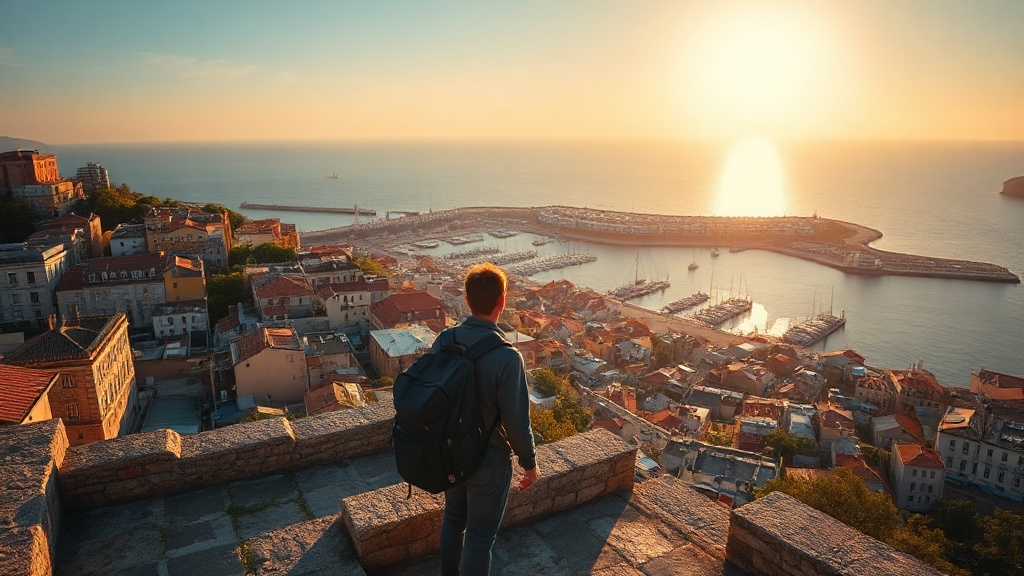
Solo travel rewards you with something group trips rarely can: the full freedom to follow your own schedule. Pick the right destination, though, and that freedom gets even better — easy airports, affordable fares, good public transit, and a local culture that doesn’t make a single traveler feel out of place. Here are seven destinations earning that status in 2026, ranked by a mix of flight value, safety, solo-friendliness, and plain old fun.
1. Lisbon, Portugal — Europe’s Best-Value Solo Base
Lisbon has quietly become the go-to European city for solo travelers on a budget, and in 2026 that reputation is fully deserved. Return flights from major U.S. East Coast hubs like JFK or BOS to Lisbon Humberto Delgado Airport (LIS) regularly dip below $550 round-trip when booked 8–10 weeks out — sometimes significantly less during the shoulder months of February–March and October–November.
Once you land, getting around without a group is painless. The city’s metro, trams, and ferry network cover most of what you’d want to see, and a 24-hour transit card runs under €7. The hostel scene is among the best in Europe, but Lisbon also has an abundance of affordable private rooms — typically €50–€80 per night — that give solo travelers their own space without hotel prices.
Why it works for solo travelers:
- Extremely high English proficiency across the city
- Safe street culture; Portugal consistently ranks in the top 10 of the Global Peace Index
- Strong café and co-working culture means you’re never eating alone awkwardly
- Day trips by train to Sintra (40 minutes, under €5 each way) and Porto (about 3 hours, under €25) require zero advance planning
Honest tradeoff: Lisbon’s popularity has pushed accommodation prices up roughly 20% compared to three years ago. If you show up in July or August without booking ahead, you’ll either overpay or end up far from the center. Book at least four weeks out in peak season.
2. Medellín, Colombia — The Latin America Solo Sweet Spot
Medellín has transformed dramatically over the past decade, and in 2026 it’s one of South America’s most genuinely solo-friendly cities. Non-stop or one-stop flights from Miami (MIA) to José María Córdova International Airport (MDE) regularly come in under $400 round-trip, making it one of the better-value transatlantic hops from the U.S.
The city’s metro and cable car (Metrocable) system is clean, reliable, and genuinely impressive — and a single ride costs under $1. El Poblado and Laureles neighborhoods offer a dense concentration of cafés, coworking spaces, and social hostels that make meeting other travelers effortless.
Why it works for solo travelers:
- A thriving digital nomad community means solo travelers blend right in
- Daytime city safety in tourist neighborhoods is solid; the key is sticking to well-lit areas after dark
- Colombians are famously warm toward visitors — navigating the city as a solo foreigner rarely feels isolating
- The eternal spring climate (average 72°F year-round) means you never need to pack for weather extremes
Honest tradeoff: Spanish is close to essential here. While El Poblado caters heavily to English-speaking visitors, venturing beyond tourist zones without basic Spanish will limit your experience significantly. Download Duolingo and put in two months before your flight.
3. Tokyo, Japan — Safe, Efficient, and Surprisingly Affordable in 2026
Japan has long had a reputation for being expensive, but the yen’s sustained weakness against the dollar through 2025 and into 2026 has made Tokyo one of the best-value developed-world cities for American solo travelers. Round-trip flights from LAX or SFO to Narita (NRT) or Haneda (HND) frequently land under $750 when booked during off-peak windows like late January through early March.
Tokyo is arguably the safest major city on earth for solo travel. The public transit system — centered on JR lines and the Tokyo Metro — is so intuitive that even first-timers navigate it confidently within a day. Solo dining is a cultural institution here; ramen counters and conveyor-belt sushi bars are literally designed for one person.
Why it works for solo travelers:
- Crime rates are among the lowest globally; leaving a bag unattended briefly is normal behavior locals practice every day
- IC transit cards (Suica or Pasmo) load from any airport kiosk and work across virtually all trains, buses, and even convenience stores
- English signage on the metro and at major attractions has improved substantially
- Budget accommodation in the form of capsule hotels runs as low as $30–$50 per night — genuinely comfortable, not a compromise
Honest tradeoff: Tokyo is a city that rewards preparation. Without a rough itinerary, the sheer scale of 13+ million people can feel overwhelming. Spend 30 minutes mapping your first two days before you board the plane — it makes a meaningful difference.
4. Chiang Mai, Thailand — The Long-Stay Solo Traveler’s Favorite
For solo travelers thinking about a week or more in one place, Chiang Mai remains Southeast Asia’s most compelling choice in 2026. Return flights from the U.S. West Coast typically route through Bangkok’s Suvarnabhumi Airport (BKK) before a short connection to Chiang Mai International (CNX), with total round-trip costs regularly under $900 from LAX.
The city is famous for its slow pace, affordable guesthouses (private rooms from $15–$25 per night), and a café scene so well-developed that solo remote workers have been migrating here for a decade. The old city moat area is walkable, and a rented scooter — available for about $7–$10 per day — opens up temple routes and mountain roads at your own pace.
Why it works for solo travelers:
- Lower cost of living than Bangkok means your daily budget stretches further
- A well-established solo traveler community, especially among the 30–45 age bracket
- Cooking classes, meditation retreats, and trekking tours are all structured as solo-joinable activities
- November through February is the sweet spot: cool, dry, and festival-rich (Loy Krathong falls in November)
Honest tradeoff: Chiang Mai’s air quality deteriorates seriously between February and April due to agricultural burning season. If you have any respiratory sensitivities, avoid this window entirely or check the daily AQI before booking your dates.
5. Reykjavik, Iceland — The Solo Adventure Benchmark
Iceland has optimized itself almost accidentally for solo travel. The country is small enough that a solo road trip around the Ring Road (about 828 miles total) is entirely manageable, and Reykjavik itself functions as a genuinely safe, English-speaking base with a lively food and music scene.
Flights from the U.S. East Coast to Keflavik International Airport (KEF) are among the most competitive transatlantic routes — especially in April–May and September–October, when round trips from BOS or JFK often come in under $500. IcelandAir and Norse Atlantic are the key players on this route and frequently run seat sales.
Why it works for solo travelers:
- Iceland is statistically one of the safest countries on earth
- Nearly everyone speaks excellent English
- Group tours for whale watching, glacier hiking, and the Northern Lights depart daily and are priced for individuals
- The famous Golden Circle (Þingvellir, Geysir, Gullfoss) is a half-day self-drive loop requiring no guide
Honest tradeoff: Iceland is expensive on the ground. A sit-down dinner in Reykjavik will typically run $30–$50 per person, and a rental car for a week can easily exceed $600–$800. Budget carefully before booking — cheap flights can be offset quickly by daily spend.
6. Cape Town, South Africa — Bold Choice, Big Reward
Cape Town is not a beginner solo destination, but for travelers with some miles on them, it pays off substantially in 2026. Direct flights between the U.S. and Cape Town International Airport (CPT) remain limited — most routes connect through Johannesburg (JNB) or European hubs — with round trips from JFK or IAD typically ranging $900–$1,300 depending on routing and season.
The April through June window hits the sweet spot of lower fares, fewer tourists, and milder weather (Cape Town’s autumn). The city’s food scene is genuinely excellent, the wine country in Stellenbosch is 45 minutes by car, and Table Mountain is accessible via cable car for around $25 round-trip.
Why it works for solo travelers:
- Strong backpacker hostel infrastructure in the De Waterkant and Gardens neighborhoods
- A thriving solo traveler presence, particularly among European and Australian visitors
- Organized day tours to Boulders Beach, the Cape Peninsula, and wine estates are built for individual bookings
- English is widely spoken across the city
Honest tradeoff: Cape Town requires genuine situational awareness. Certain neighborhoods — and especially being out alone after dark — carry real safety risks. Research neighborhood boundaries thoroughly, use ride-share apps (Uber operates reliably here) rather than street taxis, and don’t walk with your phone out in unfamiliar areas.
7. Porto, Portugal — Lisbon’s Smaller, More Relaxed Sibling
If Lisbon feels too busy for your 2026 trip, Porto delivers a similar experience at a slightly smaller scale and, in many cases, lower prices. Francisco Sá Carneiro Airport (OPO) connects to dozens of European cities, and budget carrier options from London Gatwick or Amsterdam Schiphol regularly price under €60 one-way. From North America, the most practical approach is a Lisbon arrival with a €20 onward train ticket to Porto — a 3-hour journey that’s genuinely scenic.
The Ribeira district, the port wine caves of Vila Nova de Gaia (a 10-minute walk across the Dom Luís I Bridge), and the famous Livraria Lello bookshop are all walkable from most central guesthouses. Private rooms in central Porto run €40–€70 per night in shoulder season.
Why it works for solo travelers:
- A smaller city means less decision fatigue than major capitals
- Porto’s food scene — especially petiscos (Portuguese tapas) and fresh seafood — is well suited to solo dining
- The Douro Valley wine region is accessible on a day-tour from Porto’s São Bento train station for under €30
- Street safety is excellent; Porto regularly outranks most European cities on traveler safety surveys
Honest tradeoff: Porto’s nightlife is concentrated and can feel repetitive after a few nights. If you’re planning a trip longer than five days, build in a day trip or overnight to Braga or the Douro Valley so the city doesn’t feel small.
How to Find the Best Fares for Any of These Destinations
Regardless of which destination you pick, a few booking habits will save you real money:
- Set fare alerts on Google Flights for your target route at least 8–10 weeks before your planned departure. The price drop notifications are genuinely useful.
- Fly midweek. Tuesday and Wednesday departures are consistently cheaper than Friday/Sunday on most international routes.
- Check positioning flights. For Cape Town and Tokyo especially, flying into a cheaper U.S. hub (think ORD or MIA) before catching the long-haul leg can cut $100–$200 off the total.
- Book one-way fares separately when airlines price them that way — especially on European low-cost carriers for Porto or Lisbon connections.
- January through early March is the most reliably cheap booking window for departures later in the year; fares for summer and fall travel are typically lowest in Q1.
Plan Your 2026 Solo Trip — Start Here
Pick one destination from this list that genuinely excites you, pull up Google Flights right now, and set a price alert for a 2–3 week window that works for your schedule. Don’t wait for a “perfect” fare — fares move fast, and the act of setting an alert keeps you honest about actually booking. The best solo trip you’ll take in 2026 starts with that one click.