Now Reading: How to Find Cheap Hotels Near Any Airport Without Overpaying for Convenience
- 01
How to Find Cheap Hotels Near Any Airport Without Overpaying for Convenience


Why Airport Hotels Cost More — and When They Don’t Have To
Staying near an airport sounds simple until you check the prices. Hotels within walking distance of a terminal often charge a significant premium purely for location — sometimes 40–70% more than comparable properties a few kilometres away. That premium exists because they can: travellers with early flights, long layovers, or tight connections will pay almost anything to avoid a stressful commute.
But “near the airport” doesn’t have to mean “inside the airport hotel zone.” With a bit of planning, you can find cheap hotels that are genuinely convenient without letting the airport’s postcode dictate your rate. Compare top hotel rates and availability on Booking.com before confirming your stay.
Understanding the Airport Hotel Pricing Trap
The Proximity Premium Is Real
Hotels directly adjacent to major hubs — think Heathrow, JFK, Dubai International, or Singapore Changi — often price rooms as a captive-audience product. You’re not paying for better beds or service; you’re paying for the fact that it’s 11 pm and your flight leaves at 6 am. Recognising this is the first step to avoiding it.
Shuttle Distance Is Often Underrated
A hotel 10–15 minutes away by free shuttle can cost half the price of an on-site property. Most major airports have well-signposted shuttle pickup zones, and many mid-range hotel chains run these services continuously through the night. Before you book, always check whether a property offers a free airport transfer — it changes the maths completely.
Practical Strategies to Find Cheap Hotels Near Any Airport
Search by Travel Time, Not Just Distance
Booking platforms let you filter by proximity, but “2 km from the airport” on a congested ring road can mean 30 minutes in traffic. Use Google Maps or a local transit app to estimate travel time at the hour you’ll actually be travelling. A hotel 5 km away with a direct bus link may be faster — and far cheaper — than one that’s technically closer.
Look at the Suburb, Not the Airport Code
Instead of searching “hotels near [Airport Name],” try searching the name of the nearest suburb or business district. You’ll often surface properties that don’t market themselves as airport hotels but are perfectly positioned for an early departure or overnight layover. These properties compete on general traveller demand rather than airport captivity, so rates tend to be more competitive.
Book Directly or Through Aggregators Strategically
Price-comparison sites like Google Hotels, Booking.com, and Kayak are useful for a quick market scan. However, once you’ve identified a shortlist, check the hotel’s own website — direct rates sometimes beat aggregator prices, and direct bookings often come with perks like flexible cancellation or room upgrades. Membership programmes (even free ones) can also unlock member-only rates.

Time Your Search Wisely
Airport hotels near business-heavy hubs tend to drop rates over weekends when corporate travel slows. Leisure-heavy airports — think coastal resort gateways — may show the opposite pattern. If your layover date is flexible, shifting by even one day can produce meaningful savings on cheap hotels.
Accommodation Types Worth Considering
Budget Chain Hotels
Brands like ibis, Premier Inn, Travelodge, and Motel 6 (depending on region) deliberately cluster near airports and price competitively. They won’t win design awards, but they offer reliable cleanliness, consistent check-in processes, and — critically — transparent pricing with few surprise fees. For a single-night transit stay, this is usually the smartest value category.
Capsule Hotels and Airport Lounges
For very short layovers (under eight hours), a capsule hotel or pay-per-use airport lounge can be cheaper than a full hotel room. Some airports — particularly in Asia and the Middle East — have in-terminal transit hotels that charge by the hour. Compare the per-hour rate against a full room night before assuming a room is better value.
Hostels Near Major Hubs
Solo travellers and backpackers often overlook hostels as an airport accommodation option, but many city hostels are well-connected to major airports by night bus or metro. A private room at a well-rated hostel near a city hub can significantly undercut a standard airport hotel. If you’re looking for inspiration on budget-friendly options across Europe, our guide to top budget hostels in Europe for savvy travellers covers some strong picks worth knowing about.
Fees and Hidden Costs to Watch For
Airport hotels are particularly prone to add-on charges that erode apparent savings. Watch for these before confirming a booking:
- Parking fees: If you’re driving to the airport, parking at an on-site hotel can cost as much as the room itself. Offsite park-and-fly facilities are almost always cheaper.
- Resort or facility fees: Common in the US market, these can add $20–$40 per night regardless of whether you use the pool or gym.
- Breakfast pricing: Airport hotels often charge premium rates for breakfast. Grabbing food from a nearby supermarket or terminal café is usually more economical.
- Shuttle fees: Some hotels advertise “airport transfers” that are actually third-party services with a separate charge. Confirm whether the shuttle is genuinely free before booking.
- Wi-Fi charges: Less common than they once were, but still present at some older airport properties. Check the amenities list carefully.
When Spending More Actually Makes Sense
Not every airport hotel splurge is a bad decision. If you have a 5 am departure, a checked bag, children in tow, or you’re recovering from a long-haul flight, the value of a smooth, nearby sleep is real. The goal isn’t to spend the least possible — it’s to spend proportionately to the benefit you actually receive.
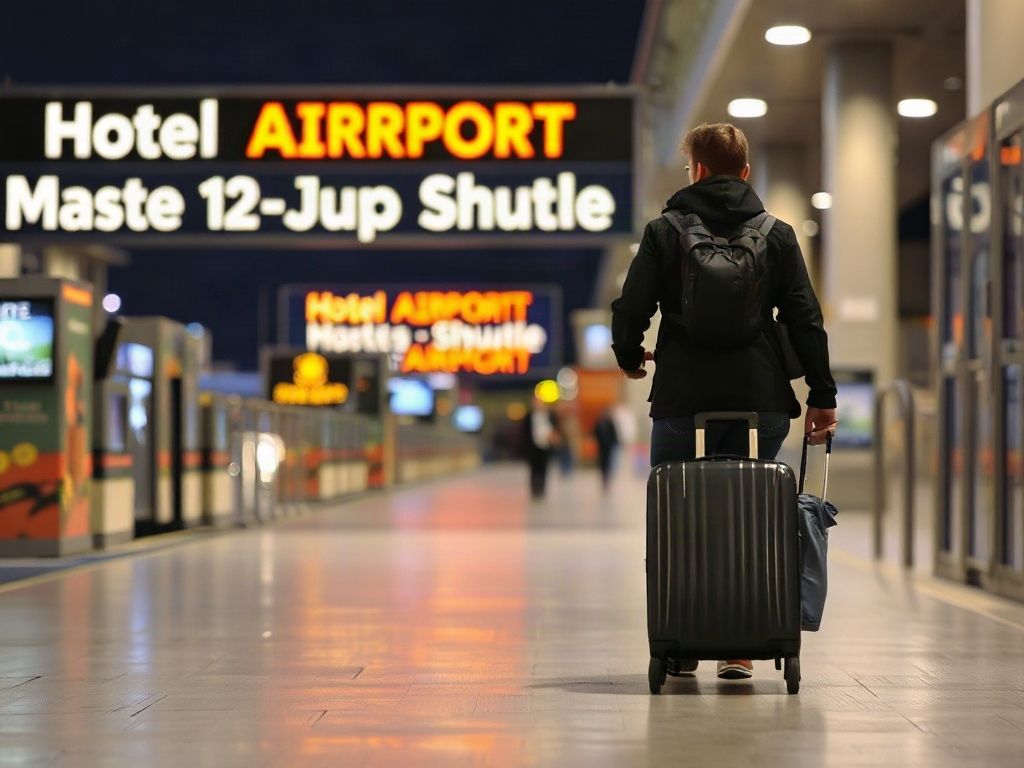
Similarly, if a short layover extends into a full day, a more comfortable or characterful property might be worth the upgrade. Our roundup of cosy boutique hotels worth booking in 2026 includes some options that prove you don’t have to choose between comfort and reasonable pricing.
Building a Smarter Airport Stay Into Your Trip
The best time to think about airport accommodation is when you’re booking your flights, not after. If you know you’ll have a long layover or an early departure, factor accommodation costs into your total trip budget from the start. A flight that saves you $80 but forces a $150 overnight airport hotel stay hasn’t actually saved you anything.
It also helps to build a short checklist for any airport hotel search:
- What time does my flight depart or arrive?
- How long is the transfer between the hotel and my terminal?
- Is there a free shuttle, or do I need a taxi or rideshare?
- What’s the total cost including fees, parking, and breakfast?
- Is flexible cancellation available in case my flight changes?
Finding Cheap Hotels Near Any Airport: A Realistic Summary
Cheap hotels near airports exist in almost every market — they just don’t always appear at the top of a generic search. The key is expanding your search radius intelligently, accounting for transfer time rather than raw distance, and scrutinising total cost rather than headline rate.
Whether you’re planning a one-night layover in a budget chain, a hostel bed in a well-connected neighbourhood, or occasionally treating yourself to something more special, the framework is the same: match the accommodation to the actual need, not to the airport’s marketing gravity.
Start your next search at Flightfares.one — compare flight timings first, then use the strategies above to find accommodation that fits the trip rather than the other way around.