

Now Reading: Layover Lodging: When to Book a Hotel vs. Sleep at the Airport
- 01
Layover Lodging: When to Book a Hotel vs. Sleep at the Airport


The Layover Lodging Decision Nobody Talks About Honestly
Layover lodging is one of the most underrated decisions in travel planning. You land at midnight, your connection isn’t until 10 a.m., and suddenly you’re googling airport sleeping tips with one eye open. Or you book a hotel on autopilot and spend $180 for five hours of sleep you could have gotten in a quieter terminal corner for free.
Neither extreme is always right. The smarter move is to run a quick cost-benefit check before you commit either way. This guide gives you the framework to do exactly that. Compare top hotel rates and availability on Booking.com before confirming your stay.
When Sleeping at the Airport Actually Makes Sense
Airports get a bad reputation for overnight stays, but some terminals are genuinely tolerable — even comfortable — if you know what to expect. The key variables are length of layover, terminal quality, and your personal tolerance for noise and disruption.
Short Layovers Under Six Hours
If your layover is six hours or less, a hotel rarely makes financial or logistical sense. By the time you clear baggage claim, find a shuttle, check in, sleep a few broken hours, check out, and return through security, you’ve eaten most of that window — and paid for the privilege.
For layovers in this range, find a quiet gate area, use a neck pillow, and set two alarms. Many larger airports have designated rest zones, reclining chairs, or 24-hour lounges worth investigating.
When the Terminal Scores Well
Airports like Singapore Changi, Doha Hamad, and Amsterdam Schiphol have earned strong reputations for 24-hour amenities, sleeping pods, and clean facilities. If you’re transiting through a top-tier hub, the airport itself might outperform a rushed hotel stay nearby.
Conversely, some regional airports close sections overnight, dim the lights, blast air conditioning to uncomfortable levels, and have security officers who will ask you to move. Always check the specific terminal’s overnight reputation — websites like The Guide to Sleeping in Airports (sleepinginairports.net) aggregate traveler reviews that are far more useful than the airport’s own marketing materials.

When You’re On a Tight Budget
If the goal is to spend as little as possible, staying in the terminal is the obvious default. That said, weigh the hidden costs: a $15 breakfast at the airport café, $8 for a luggage locker, and a wrecked night of sleep that ruins your first day at the destination can quietly rival a budget hotel stay.
When to Book a Hotel for Your Layover
Layover lodging shifts from optional to practical — or even necessary — in several clear scenarios.
Layovers Longer Than Eight Hours Overnight
If you’re facing eight or more hours between flights and most of that window falls between 11 p.m. and 6 a.m., a hotel almost always makes sense. Real sleep in a dark, quiet room is qualitatively different from the fragmented dozing you’ll manage in a terminal seat. Arriving at your destination rested can be worth more than the room cost, especially on a business or event trip.
Traveling With Children or Elderly Companions
Airport sleeping works best for solo travelers or couples who can be flexible. With young children or older relatives, the lack of a proper bed, bathroom privacy, and a controlled environment becomes a real problem quickly. Budget for a hotel in these situations — and look for properties that offer free shuttle service to reduce transfer stress.
For practical advice on finding reasonably priced options close to the terminal, see this guide on how to find cheap hotels near any airport without overpaying for convenience.
Early Morning Departures
An early departure — say, 5 or 6 a.m. — is a different problem. You’re not really dealing with a layover; you need to be airside before most public transport runs. In this case, an airport hotel with a guaranteed early shuttle is often worth paying for, even if the layover is technically short. Missing a 6 a.m. flight because your taxi didn’t show is a far more expensive mistake than the hotel bill.
If this situation sounds familiar, this breakdown of how to choose the best hotel near your arrival airport for a smooth layover or early departure covers the selection criteria in detail.
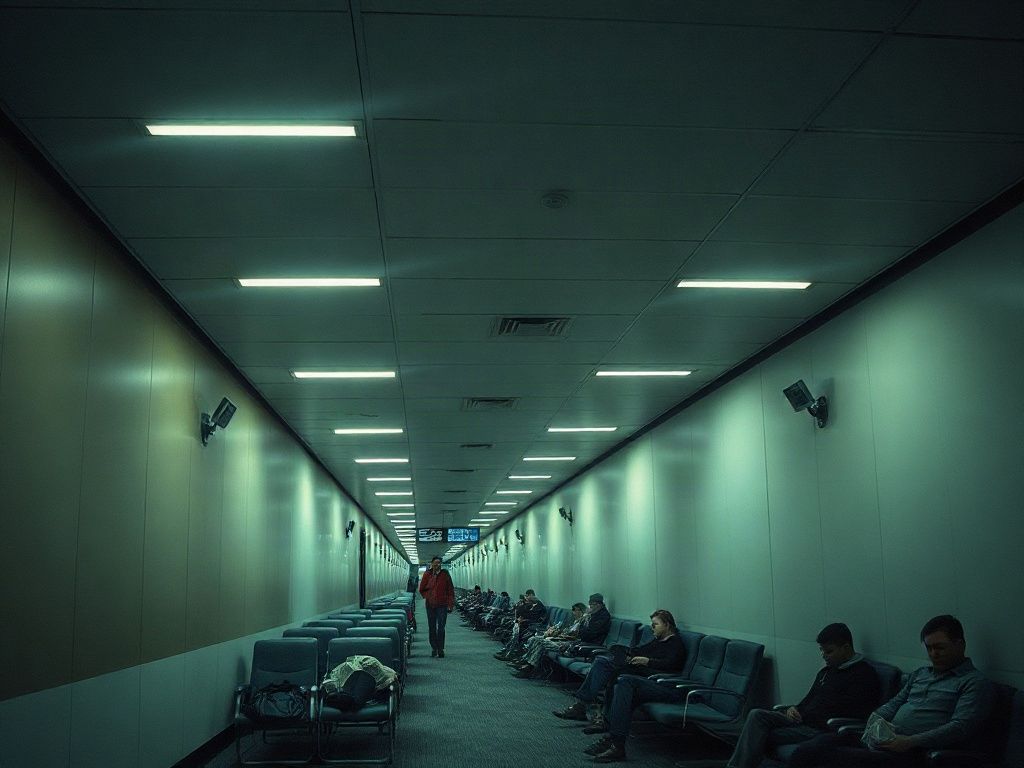
The Hidden Cost Comparison
Before assuming the airport is cheaper, run a quick mental tally:
- Airport costs: locker rental, food and drink markups, a neck pillow or blanket if you don’t carry one, any day-use lounge access
- Hotel costs: room rate, parking or shuttle fee, resort fees if the property charges them, meals you might eat at the hotel
The gap between these two columns is often smaller than travelers expect. A no-frills airport hotel at $90 with a free shuttle can beat a $0 terminal stay that costs $40 in airport food and a lost day of productivity. For a deeper breakdown of how proximity to the terminal affects cost, the comparison of airport hotel vs. city center stay is worth reading before you book.
Practical Tips for Either Choice
If You’re Staying in the Terminal
- Scout the terminal map in advance and identify 24-hour zones — not all gates stay open overnight.
- Charge all devices before you settle in; power outlets near seating are competitive at 2 a.m.
- Keep your passport and wallet in an inside pocket or use a money belt rather than a bag that sits beside you while you sleep.
- Download a noise app or bring earplugs — cleaning crews and PA announcements don’t stop overnight.
- Set two alarms. Terminal acoustics can muffle sounds you’d normally hear clearly.
If You’re Booking a Hotel
- Confirm shuttle frequency before booking, not after. A hotel three miles away with hourly shuttles is different from one with a single 4 a.m. run.
- Check whether the rate includes resort fees — airport hotels are frequent offenders. This guide on finding hotels near any airport without paying resort fees explains how to filter those out.
- Look for day-rate or half-day options if your layover is daytime-only. Some properties offer rooms for a six-hour block at reduced rates.
- Book refundable where the price difference is small — flight delays can shift your whole window.
Airline-Provided Accommodation: A Quick Note
If your layover results from an airline-caused delay or cancellation, the carrier may be obligated to provide a hotel voucher depending on the route, the cause of the disruption, and the jurisdiction you’re in. Policies vary significantly by airline and region — always ask at the gate or customer service desk before paying out of pocket. This is not a guarantee, but it’s worth asking about before you swipe your card.
Making the Right Layover Lodging Call
The honest answer to the layover lodging question is: it depends — but not in a vague way. Short layover in a good terminal with no children? Stay put. Long overnight gap, early departure, or traveling with others who need real rest? Book the room and choose it carefully. Getting your layover lodging decision right can be the difference between arriving refreshed and starting your trip exhausted.
Run the actual numbers before deciding, factor in the quality of the specific airport you’re using, and don’t let default habits — either booking reflexively or never booking at all — make the choice for you.
Use the search tools at Flightfares.one to compare nearby hotel rates as soon as your itinerary is confirmed. A few minutes of comparison upfront can save you both money and a miserable night in transit. For broader trip planning advice, see our 2026 travel planning guide for first-timers.












Pingback: 7 Cosy Boutique Hotels Worth Booking in 2026
Pingback: Choose Accommodation Based on Your Flight Arrival Time