

Now Reading: Best Airports and Airlines for Flying Into Bangkok: A Practical Guide for First-Time Visitors
- 01
Best Airports and Airlines for Flying Into Bangkok: A Practical Guide for First-Time Visitors
Best Airports and Airlines for Flying Into Bangkok: A Practical Guide for First-Time Visitors


Flying Into Bangkok: More Choices Than You Might Expect
Bangkok is one of Southeast Asia’s busiest travel hubs, and that works in your favor. The city is served by two international airports and dozens of carriers ranging from full-service giants to no-frills budget airlines. For first-time visitors, understanding those options before you book can make a real difference — not just in price, but in how smoothly your trip begins.
This guide breaks down the airports, the airlines worth considering, and the tradeoffs that don’t always show up on a search results page.
Bangkok’s Two Airports: A Quick Orientation
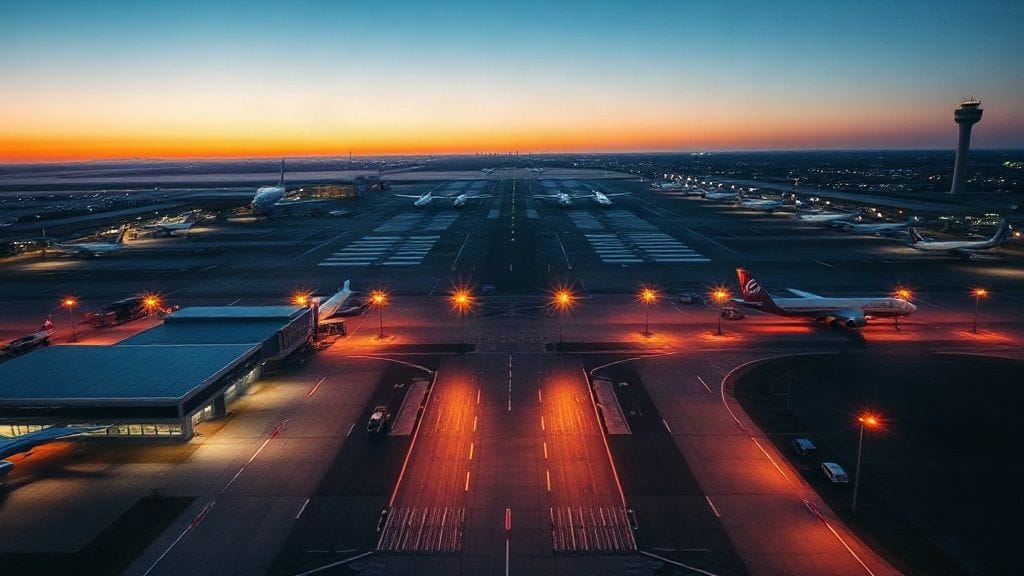
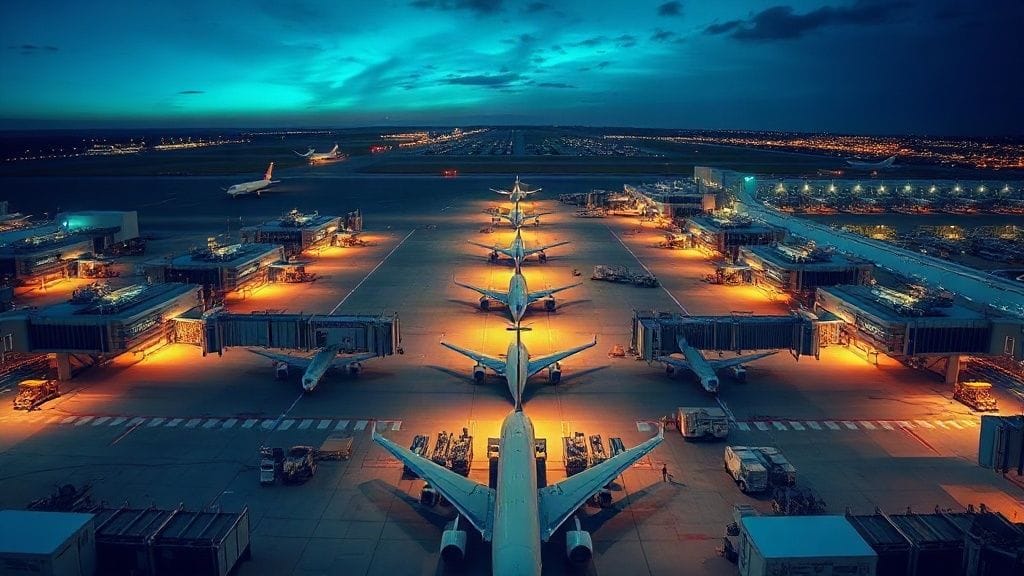
Bangkok has two airports handling international traffic: Suvarnabhumi (BKK) and Don Mueang (DMK). They are not interchangeable, and confusing them can cost you an expensive taxi ride or a missed connection.
Suvarnabhumi (BKK) — The Main International Gateway
Suvarnabhumi is Bangkok’s primary airport and handles the vast majority of long-haul international flights. It’s roughly 30 km east of central Bangkok and is connected to the city by the Airport Rail Link, which is the fastest and most cost-effective way to reach downtown areas like Asok or Phaya Thai.
Most full-service carriers — Thai Airways, Emirates, Qatar Airways, Singapore Airlines, Cathay Pacific, and others — fly into BKK. If you’re arriving from Europe, North America, Australia, or the Middle East, there’s a good chance your flight lands here.
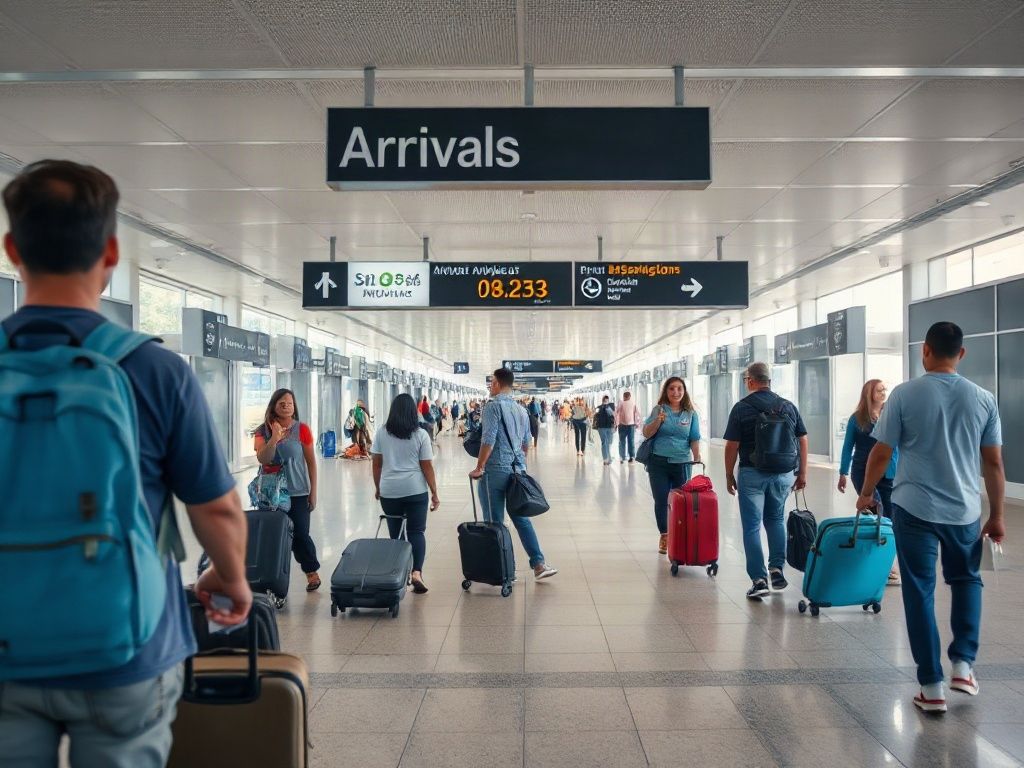
The airport is large and can feel overwhelming on arrival, but the signage is reasonably clear and immigration queues, while sometimes long, move steadily.
Don Mueang (DMK) — The Budget Airline Hub
Don Mueang is Bangkok’s older airport, located about 25 km north of the city center. It primarily serves budget carriers operating within Asia: AirAsia, Lion Air, Nok Air, and similar low-cost operators use DMK as their Bangkok base.
If you’re flying into Bangkok from another city in Southeast Asia — Kuala Lumpur, Jakarta, Hanoi, or similar — there’s a decent chance your budget airline routes through Don Mueang rather than Suvarnabhumi.
Don Mueang lacks a rail link to the city, so you’re relying on bus, taxi, or rideshare apps like Grab. Budget extra time, especially during Bangkok rush hours (roughly 7–9am and 4–8pm).
For a deeper comparison of the two airports and which suits your itinerary, see Bangkok’s Two Airports Explained: Which One to Fly Into and Why It Matters.
Which Airlines Are Worth Considering for Flying Into Bangkok?
The right airline depends on where you’re departing from, how much comfort matters to you, and what fees you’re willing to absorb. Here’s a practical breakdown by category.
Full-Service Carriers: Comfort, but Check the Routing
Several full-service airlines consistently rank well for flights into Bangkok:
- Thai Airways — the national carrier flies into Suvarnabhumi and often includes generous baggage allowances. Check its current status and alliance partnerships before booking, as the airline has undergone restructuring.
- Emirates and Qatar Airways — popular one-stop options routing through Dubai or Doha. They’re often competitive on price from Europe and offer strong business-class products if that matters to you.
- Singapore Airlines and Cathay Pacific — both operate well-regarded one-stop services into Bangkok via Singapore and Hong Kong respectively. Transit airports are excellent if you have a long layover.
- EVA Air and China Airlines — worth checking from North America, often routing via Taipei with competitive fares in economy and premium economy.
For those comparing direct flights versus one-stop connections from major cities, Best Flight Routes to Bangkok: Direct vs. One-Stop Connections from Major Cities is a useful next read.
Budget Carriers: Lower Fares, More Homework Required
If you’re flying into Bangkok from within Asia, budget carriers can offer significant savings. AirAsia is the dominant low-cost carrier in the region and operates routes from across Southeast Asia and parts of East Asia into Don Mueang.
The key tradeoffs with budget carriers:
- Baggage fees can add up quickly — checked luggage, cabin bag size limits, and seat selection are rarely included in the base fare.
- Flight times tend to skew early morning or late night to cut airport costs, which affects how you plan arrival-day logistics.
- Changes and cancellations are often handled through separate low-cost airline portals, not global booking platforms, which can complicate customer service.
Always price out the full cost — base fare plus expected add-ons — before assuming the budget option is cheaper.
Practical Tips for Booking Your Bangkok Flight
Know Which Airport Your Flight Uses Before You Book Accommodation
This sounds obvious, but it’s one of the most common planning mistakes. If you book a hotel near central Bangkok’s BTS Skytrain network and land at Don Mueang late at night, you’re looking at a 45-minute to 90-minute taxi ride depending on traffic. Confirm the airport code — BKK or DMK — before finalizing your accommodation choice.
Watch for Multi-Airport Itineraries
Some booking platforms will show itineraries where you arrive at one Bangkok airport and depart from the other. Unless you have significant layover time and are comfortable crossing the city, these combinations carry real risk. A two-hour connection that involves traveling between Don Mueang and Suvarnabhumi is not realistic in Bangkok traffic.
For more on how routing choices affect your trip, Bangkok Airport Guide: Suvarnabhumi vs. Don Mueang — Which One Should You Fly Into? covers the practical implications in detail.
Hidden Fees to Factor In
Regardless of airline, watch for these costs that don’t always appear in headline fares:
- Checked baggage fees — especially on budget carriers and some basic economy fares on full-service airlines
- Seat selection charges — some airlines charge for any seat assignment outside the final check-in window
- Booking fees on third-party platforms — compare direct airline booking prices alongside metasearch results
- Credit card surcharges — some airlines still apply these at checkout, particularly budget carriers
When to Book for Bangkok Flights
Bangkok is a year-round destination, but demand peaks around December–January (cool season and holidays) and again during Chinese New Year. For those peak windows, booking 3–5 months out tends to yield better fares than last-minute searches. The shoulder months — April, May, and September — often see softer demand and more pricing flexibility, though April coincides with Songkran, Thailand’s water festival, which drives domestic travel demand.
Verification note: Booking lead time recommendations are based on general industry patterns. Actual fare trends vary by origin city and year — check current data on metasearch tools like Google Flights before making timing decisions.
Making the Right Call for Your First Bangkok Trip
Flying into Bangkok rewards a little upfront research. Knowing which airport your airline uses, understanding what budget carriers include (and don’t), and factoring in ground transport time from the airport can all shape your first impression of the city.
For most first-time visitors arriving from outside Asia, Suvarnabhumi with a full-service carrier is the lower-stress option. Those already traveling within Southeast Asia have genuinely competitive budget options — just go in with clear eyes about the fees and airport logistics.
Use Flightfares.one to compare routes, understand your options, and plan a Bangkok trip that starts well before you land. The fewer surprises at the airport, the better.









Pingback: Top Flight Routes Into Bangkok: How to Choose (2026 Guide)
Pingback: Flying Into Chiang Mai: Best Airports and Airline Routes
Pingback: Suvarnabhumi vs Don Mueang: Which Bangkok Airport to Book?