

Now Reading: Bangkok Airport Guide: Suvarnabhumi vs. Don Mueang — Which Terminal Should You Book Through?
- 01
Bangkok Airport Guide: Suvarnabhumi vs. Don Mueang — Which Terminal Should You Book Through?
Bangkok Airport Guide: Suvarnabhumi vs. Don Mueang — Which Terminal Should You Book Through?

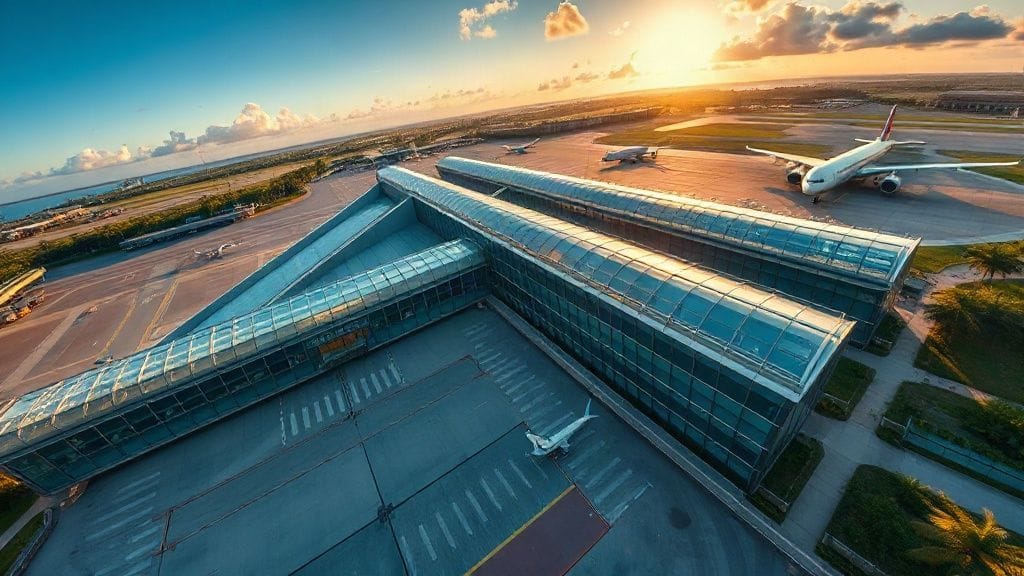
Bangkok Airport Guide: Suvarnabhumi vs. Don Mueang at a Glance
Quick answer: Suvarnabhumi (BKK) serves most international and full-service flights; Don Mueang (DMK) is the hub for budget carriers on short regional routes. Choosing the wrong one adds cost and transfer time to your trip.
Bangkok has two commercial airports operating simultaneously, and the choice between them affects more than just how you land — it shapes your transit time, your transfer costs, and sometimes even your airfare. Suvarnabhumi Airport (BKK) and Don Mueang Airport (DMK) sit about 30 kilometres apart, and booking through the wrong one can turn a smooth trip into a logistical headache.
This guide cuts through the confusion so you know exactly which airport fits your itinerary before you confirm a fare.
What Each Airport Actually Is
Suvarnabhumi (BKK): Bangkok’s International Hub
Opened in 2006, Suvarnabhumi is Thailand’s primary international gateway. It handles the majority of long-haul flights into Bangkok and is the home base for Thai Airways and Bangkok Airways. The terminal is large, modern, and directly connected to central Bangkok via the Suvarnabhumi Airport Rail Link — a journey to Phaya Thai station that takes roughly 30 minutes and costs a fraction of a taxi fare.
If you’re flying in from Europe, North America, the Middle East, or on a full-service carrier from elsewhere in Asia, you almost certainly land here. The facilities match that scale: multiple concourses, dozens of airline lounges, and a transit hotel inside the terminal.
Don Mueang (DMK): The Low-Cost Carrier Base
Don Mueang is Bangkok’s older airport — it predates Suvarnabhumi by decades — and today it functions primarily as a hub for budget airlines. AirAsia, Nok Air, Lion Air, and Scoot operate most of their Bangkok services from here. If you’re flying a short-haul regional route on a low-cost carrier, especially within Southeast Asia, there’s a good chance your flight uses DMK.
Don Mueang has no direct rail link into the city. You can take a bus to a BTS Skytrain station or a commuter rail to Chatuchak/Mo Chit, but the journey is less seamless than Suvarnabhumi’s airport rail. Taxis are available but subject to Bangkok traffic. Budget around 45–90 minutes to reach central areas depending on the time of day.
Airline and Route Split: Who Flies Where
Understanding which airlines use which airport prevents nasty surprises at check-in. Here’s a practical breakdown:

- Suvarnabhumi (BKK): Thai Airways, Emirates, Qatar Airways, Cathay Pacific, Singapore Airlines, EVA Air, Japan Airlines, Korean Air, British Airways, Lufthansa, Air France, and most full-service carriers.
- Don Mueang (DMK): AirAsia (including AirAsia X on some routes), Nok Air, Lion Air, Scoot, Thai Lion Air, and other regional LCCs.
There are exceptions. Some airlines — particularly those that began at one airport and expanded — occasionally operate from both. Always confirm your specific flight’s departure terminal when booking, not just the airline’s general home base.
For a broader look at which routes serve Bangkok and what to expect before you book, see top flight routes to Bangkok and what to know before you book.
The Transfer Problem: When You Use Both Airports
This is where travellers most often get caught out. If your itinerary involves a connection through Bangkok — say, an international arrival at Suvarnabhumi followed by a domestic or regional hop on a low-cost carrier from Don Mueang — you are responsible for making that inter-airport transfer yourself.
The two airports are not physically connected. There is no shuttle operated by a single airline that moves you between them as part of a seamless connection. You need to:
- Collect your checked luggage at your arriving airport
- Clear immigration and customs
- Travel to the second airport independently (taxi, bus, or private car)
- Re-check in for your onward flight
That process realistically takes two to three hours minimum under good conditions. If you’ve booked these legs separately on two different carriers, missed-connection insurance is your only protection if something goes wrong with the first flight.
The sensible rule: never book a same-day split-airport connection unless you have at least four hours between flights and have researched the transfer route in advance.
Cost Considerations Beyond the Ticket Price
Ground Transport Costs
The Suvarnabhumi Airport Rail Link is inexpensive and reliable. Don Mueang lacks that option, so ground transport from DMK typically costs more in time and money — especially during rush hours. Factor this into your total trip cost before assuming the cheaper fare at Don Mueang is actually cheaper door to door.

Baggage Fees at Don Mueang
Low-cost carriers operating from Don Mueang typically charge separately for checked baggage, seat selection, and meals. A flight that looks 30–40% cheaper than a Suvarnabhumi option can close that gap quickly once you add a 20 kg bag and a reserved seat. Run the full cost comparison before booking. For strategies on keeping total costs down, see the smartest ways to book cheap flights.
Lounge Access and Comfort
Suvarnabhumi has more lounge options and is generally better equipped for long layovers. Don Mueang has improved its facilities in recent years but remains a more basic experience. If you’re on a long connection, this matters.
Which Airport Should You Actually Book?
Choose Suvarnabhumi (BKK) If:
- You’re arriving from outside Southeast Asia on a full-service carrier
- You have onward connections on major airlines
- You want fast, cheap rail access into central Bangkok
- You’re travelling with checked luggage and want to avoid nickel-and-dime fees
- You value lounge access or a more comfortable layover
Choose Don Mueang (DMK) If:
- You’re flying a short regional route on AirAsia, Nok Air, or a similar LCC
- You’re travelling light with carry-on only
- The price difference is significant and ground transport costs are factored in
- Your itinerary doesn’t involve a same-day transfer to or from Suvarnabhumi
For travellers comparing full-service and budget options across the city’s two airports, this practical guide to airports and airlines for flying into Bangkok covers the tradeoffs in more detail.
Practical Tips for Booking
- Always check the airport code. BKK = Suvarnabhumi, DMK = Don Mueang. Flight search engines sometimes default to showing results from both — read the code, not just the city name. If you plan to visit multiple Thai cities, the airport you arrive at affects which onward routes are quickest to connect.
- Search both airports separately. Some fare aggregators group Bangkok results together. Search BKK and DMK individually to see the full picture.
- Book connections at the same airport. If your trip involves a layover in Bangkok, try to land and depart from the same terminal. It is simpler, lower risk, and often available if you search for it.
- Check airline alliance codeshares. A ticket sold as a Thai Airways flight may include a codeshare leg on a partner airline. Confirm operating carriers and their terminals before booking.
If you’re still deciding on your routing into Bangkok, comparing top flight routes into Bangkok and how to choose the best one can help you weigh the time and cost tradeoffs across different route structures.
Conclusion
The Bangkok airport guide question — Suvarnabhumi (BKK) vs. Don Mueang (DMK) — doesn’t have a single right answer, but it does have clear logic. Suvarnabhumi suits most international travellers arriving on full-service airlines; Don Mueang suits budget travellers on short regional hops who are travelling light and not connecting between airports. The mistake most people make is treating the airport decision as an afterthought once they’ve found a cheap fare. Make it part of your booking checklist from the start, and you’ll avoid the most common Bangkok travel headaches before they happen.
Start your search with the full picture in mind — airport, airline, baggage policy, and ground transport — and you’ll find Bangkok one of Southeast Asia’s easiest destinations to fly into efficiently. If you’re also considering onward flights within Thailand, see our guides on booking flights to Chiang Mai and airlines flying direct to Phuket.











Pingback: Top Flight Routes Into Bangkok: How to Choose the Best One
Pingback: Book Flights to Chiang Mai: Hubs, Airlines & Tips
Pingback: Cheapest Flights to Phuket: Step-by-Step Booking Guide
Pingback: Best Cheapest Months to Fly London to Bangkok in 2026