Now Reading: 7 Japan Destinations Worth Flying To in 2026
- 01
7 Japan Destinations Worth Flying To in 2026

Japan in 2026 is having a moment — and flights from the US are still reasonably priced if you know when to book. Here are seven destinations across the country that genuinely reward the long-haul trip, ranked not by hype but by what you actually get when you land.
1. Tokyo (HND / NRT) — Still the Best Base, Still Worth It
Tokyo is the obvious entry point, and there’s a reason for that: it works. Flights into Haneda (HND) drop you into the city in about 30 minutes by monorail, while Narita (NRT) is 60–90 minutes out by the Narita Express. In 2026, round-trip fares from major US hubs like Los Angeles (LAX) or San Francisco (SFO) typically start around $650–$900 in economy if you book 3–4 months out and target travel in May or late September — both shoulder periods that dodge cherry-blossom crowds and Golden Week chaos.
What to Actually Do Here
- Yanaka district: One of the few pre-war neighborhoods that survived WWII bombing. Walk it instead of Shibuya if you want the city without the selfie sticks.
- Tsukiji outer market: Still the best raw seafood breakfast in the country after the inner market moved to Toyosu.
- Akihabara: Skip if tech isn’t your thing; absolutely worth half a day if it is.
Honest tradeoff: Tokyo hotel prices have climbed sharply since 2023, driven by record inbound tourism. A decent business-district hotel now runs $180–$250/night. Budget travelers should look at guesthouses in Asakusa or Shimokitazawa, where you can find clean doubles under $100.
2. Osaka (KIX) — Fly Direct and Skip the Shinkansen
Kansai International Airport (KIX) has direct service from LAX, SFO, and SEA on multiple carriers, so flying straight into Osaka rather than connecting through Tokyo saves you both time and the cost of a bullet-train leg. Economy fares into KIX often run $30–$60 cheaper than comparable NRT tickets, and the Haruka Express gets you downtown in 75 minutes for about $14.
Osaka is Japan’s most food-forward city, full stop. Dotonbori is overcrowded but Kuromon Ichiba market — 580 meters of covered stalls — runs just parallel and is far less photographed. Budget roughly $40–$60 per day on food if you eat local and eat often, which you should.
Osaka as a Hub
Osaka positions you within day-trip or overnight distance of:
- Nara: 45 minutes by express train, famous deer park, entry to Todai-ji temple (¥600 / ~$4)
- Kyoto: 15 minutes by Shinkansen or 75 minutes by cheaper Hankyu line
- Kobe: 30 minutes west, worth it for the beef and the harbor
Honest tradeoff: KIX sits on an artificial island and is one of the more uncomfortable airports to sleep in during delays. If you have a long layover, pay for a day room in the connected hotel rather than camping out on benches.
3. Kyoto — The Most Anticipated Stop, the Most Managed Crowds
Let’s be direct: Kyoto in cherry-blossom season (late March to mid-April) is packed to the point of being unpleasant unless you’re there before 7 a.m. or after 7 p.m. In 2026, the city is expanding timed-entry ticketing to more sites, including parts of the Arashiyama bamboo grove and Fushimi Inari’s upper trails.
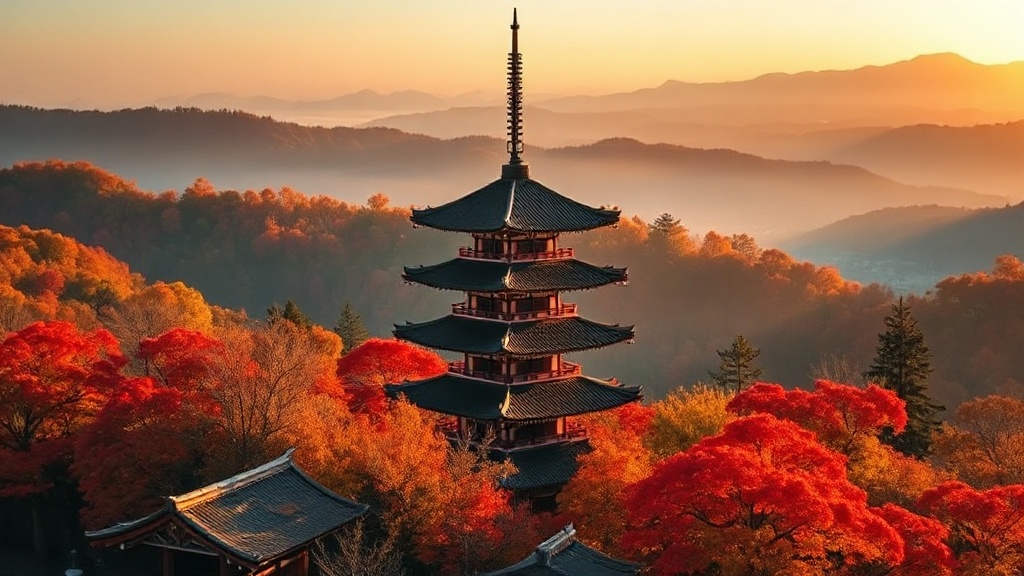
The better window? November 10–30, when autumn foliage peaks and tourist volume is slightly lower than spring. Ryokan rates in Gion drop by 20–30% compared to peak cherry-blossom weeks, putting a decent traditional inn in the $180–$350/night range.
Three Kyoto Spots That Deliver
- Philosopher’s Path in November: The canal-side walk between Nanzen-ji and Ginkaku-ji takes about 40 minutes and is genuinely quieter than the major temple grounds.
- Nishiki Market on a weekday morning: 390 meters of covered stalls, best before 10 a.m.
- Fushimi Inari after dark: The lower torii gates are lit and you can walk as far as you want without crowds thinning until midnight.
Honest tradeoff: Kyoto has very little nightlife by Japanese city standards. If you’re traveling with people who want late-night bars and izakayas until 3 a.m., base yourself in Osaka and day-trip here.
4. Hiroshima and Miyajima Island — A Two-For-One That Earns Its Place
Hiroshima is a 90-minute Shinkansen ride from Osaka (around ¥5,940 / ~$40 one-way) and rewards at least two nights. The Peace Memorial Museum is sobering, essential, and not what you’d call easy — budget two hours and don’t rush it. The entry fee is just ¥200 (~$1.35), which makes it one of the most consequential cheap admissions on earth.
Miyajima Island, 30 minutes by ferry from Hiroshima’s Ujina port, has the famous floating torii gate of Itsukushima Shrine. The gate looks best at high tide — check tide tables before you go and aim for late afternoon light. The island also has wild deer and excellent grilled oysters from local vendors for about ¥300–¥500 each.
Honest tradeoff: Miyajima’s accommodation is limited and expensive. Most people day-trip from Hiroshima, which works fine, but you lose the quiet early-morning atmosphere when day-trippers haven’t arrived yet. One night on the island costs but pays off.
5. Hakone — The Closest Volcano View to Tokyo
Hakone sits about 80 minutes from Shinjuku station on the Romancecar express (roughly ¥2,470 / ~$17 one-way) and delivers open-air hot-spring baths (onsen) with views of Mt. Fuji on clear days. “Clear days” means October through February generally, with December and January being the most reliably clear.
The Hakone Free Pass (¥6,100 / ~$41 for two days from Shinjuku) covers the Romancecar, the ropeway over Owakudani volcanic valley, the lake cruise, and several bus routes. It almost always pays for itself on day one if you’re moving around.
What Hakone Actually Requires
- A ryokan with a private or semi-private open-air bath (rotenburo): budget $200–$400/night for a mid-range property with meals included
- Comfortable walking shoes — the ropeway and lake are worth pairing with a hike to Amazake-chaya teahouse on the old Tokai-do road
- A weather app: Fuji disappears into cloud cover frequently, and that’s no one’s fault but the atmosphere’s
Honest tradeoff: Hakone can feel tourist-conveyor-belted — the Free Pass route essentially herds everyone in the same loop. If you want genuine solitude, hike the Tokai-do section between Hakone-Yumoto and Moto-Hakone rather than sticking to the ropeway circuit.
6. Kanazawa — The Japan That Isn’t on Every Itinerary
Kanazawa sits on the Sea of Japan coast, about 2.5 hours from Tokyo by Shinkansen (Hokuriku extension, opened March 2024, cutting travel time significantly). Round-trip from Tokyo runs roughly ¥27,000 / ~$180, and the city gets a fraction of Kyoto’s crowds despite having Kenroku-en — consistently ranked among Japan’s top three traditional gardens.
The Higashi Chaya geisha district here is smaller and quieter than Kyoto’s equivalents. The Omicho market has some of the freshest crab, snow crab season running November through March. Budget sashimi lunch at a counter inside the market costs around ¥1,500–¥2,500 (~$10–$17) and is one of the more memorable meals you’ll have in Japan.
Honest tradeoff: Kanazawa has limited English signage outside the tourist-designated zones, and the bus system requires some patience to navigate. Get the one-day bus pass (¥500) and accept that you’ll take a wrong bus at least once.
7. Tohoku Region — Sendai, Matsushima, and the Onsen Towns
Tohoku, Japan’s northeastern region, has been quietly rebuilding and upgrading its tourism infrastructure since the 2011 earthquake. In 2026, it remains the least internationally-visited major region in Honshu, and that’s an honest advantage.
Sendai is the regional hub, reachable from Tokyo in about 90 minutes by Shinkansen (from ¥10,890 / ~$73 one-way). From Sendai:
- Matsushima Bay: 40-minute train ride, one of Japan’s most celebrated bay landscapes — pine-covered islands scattered across calm water. The boat tour costs roughly ¥1,500 (~$10) and takes 50 minutes.
- Zao Onsen: Two hours by bus, a ski resort in winter and a sulfurous hot-spring town year-round. The ropeways run up to the crater lake (Okama) from May through October.
- Ginzan Onsen: A 19th-century hot-spring village where gas lamps light the wooden inn facades at night. It’s a 3-hour journey from Sendai but among the most atmospheric overnight stops in the country.
Why Tohoku in 2026 Makes Sense
- Hotel and ryokan rates run 20–40% lower than equivalent Kyoto or Hakone properties
- August’s Sendai Tanabata Festival (August 6–8) brings one of Japan’s largest star festival celebrations, with decorations hanging across the central shopping arcades
- The region’s cuisine — gyutan (grilled beef tongue), zunda mochi (green soybean rice cakes), fresh seafood — is distinct from anything you’ll eat further south
Honest tradeoff: Tohoku requires more planning than the Tokyo-Kyoto-Osaka corridor, which is well-documented in English. Accommodation websites often don’t have English versions, and some ryokan prefer advance phone bookings. Using a platform like Jalan or booking through a Japan-specialist travel agent saves significant frustration.
How to Book Flights to Japan in 2026 Without Overpaying
A few things I’ve consistently found to be true when booking US–Japan flights:
- Book 3–5 months out for the best economy fares; last-minute deals on this route are rare and unreliable.
- January and February travel (excluding Japanese New Year, January 1–3) offers the lowest fares of the year, often dipping under $650 round-trip from the West Coast.
- LAX, SFO, and SEA have the most carrier competition to Japan and consistently undercut East Coast departure fares by $100–$300.
- If your destination is Osaka, Hiroshima, or Kanazawa, flying into KIX instead of NRT can save both money and a domestic connection.
- Mileage programs on Star Alliance or oneworld carriers cover most US–Japan routes — ANA and Japan Airlines both have solid award availability if you plan 6–11 months in advance.
Your next concrete step: Pull up Google Flights, set your origin airport, and use the “Explore” map with Japan as your destination. Filter for the specific months mentioned above and compare NRT vs. KIX arrival. Set a price alert at whatever fare you’re comfortable booking, and let the algorithm do the waiting. When it hits, book — these sales don’t sit around.