

Now Reading: How to Handle a Travel Emergency in 2026 Like a Pro
-
01
How to Handle a Travel Emergency in 2026 Like a Pro

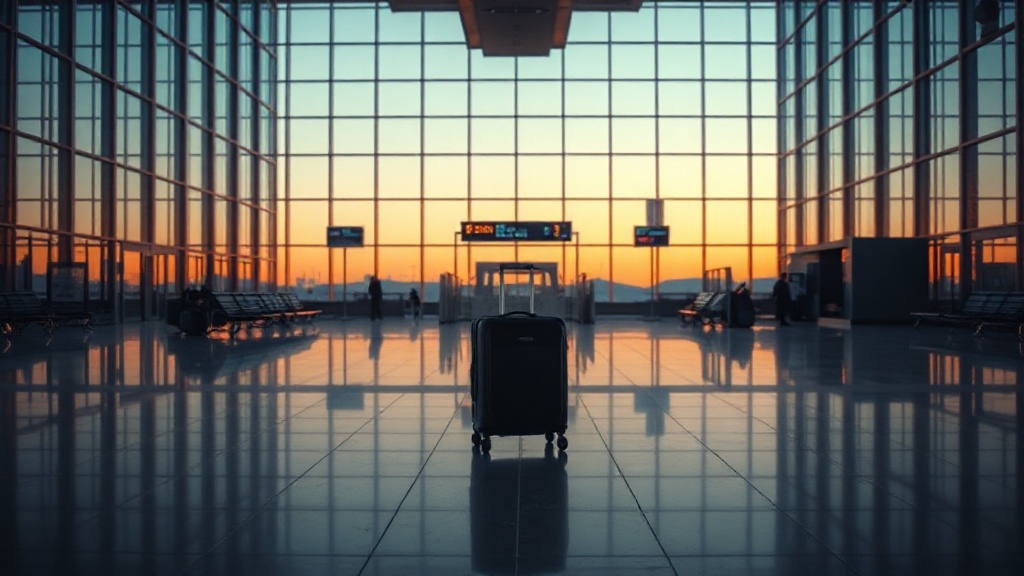
How to Handle a Travel Emergency in 2026 Like a Pro
The moment a travel emergency hits, most people freeze. The ones who don’t freeze — and get home faster, spend less money, and keep their sanity — are the ones who prepared before they left the gate.
This guide covers the four most common travel crises in 2026: flight cancellations and diversions, lost or stolen travel documents, medical emergencies abroad, and natural disaster or security evacuations. For each one, I’ll tell you exactly what to do, what it’s likely to cost, and where experienced travelers go wrong.
—
1. Flight Cancellations and Mass Diversions
What’s actually changed in 2026
The U.S. Department of Transportation’s strengthened passenger-rights rules, which took effect in late 2024 and continued into force in 2026, now require U.S. carriers to issue automatic cash refunds — not vouchers — within 7 business days for canceled flights and significant delays (typically 3+ hours domestic, 6+ hours international). European travelers have had EC 261/2004 protections for years; those rules remain in place and still pay out up to €600 (~$650) per passenger for qualifying delays.
Airlines are also much faster at rerouting through their apps than their phone queues. In 2026, the gap is stark: I’ve rebooked a canceled LAX–JFK segment in under four minutes via the carrier’s app while the customer service line showed a 90-minute wait.
The exact steps to take at the airport
- Don’t queue at the gate counter first. Open the airline app immediately and look for rebooking options — most carriers surface these within minutes of a cancellation.
- Call the airline’s international line. U.S. 1-800 numbers jam up fast. Calling the UK or Australian version of the same airline often connects in under 10 minutes.
- Screenshot everything. Your original itinerary, the cancellation notice, any delay notifications — these are your paper trail for a reimbursement claim later.
- Ask for a meal voucher and hotel authorization in writing. For delays over 3 hours at major U.S. airports (think ORD, ATL, DFW), carriers are now largely compliant with providing these — but they don’t always volunteer them.
- If you’re stranded overnight, book your own hotel and keep the receipt. Reimbursement claims through the DOT complaint portal typically resolve within 60 days.
The honest tradeoff
Rebooking yourself on a competing carrier is fast but expensive — last-minute one-way fares on alternate routes can run $300–$800. If the delay is genuinely the airline’s fault (mechanical, staffing) you’re entitled to reimbursement, but you’ll wait weeks for it. If time is money and you have a connecting cruise or wedding to catch, pay now and fight later. If you can wait 24 hours, let the airline sort it — the rebooked seat costs you nothing.
—
2. Lost or Stolen Passport Abroad
The first 90 minutes matter most
Losing your passport overseas is one of those emergencies that feels catastrophic but has a well-worn solution path — provided you move quickly. Here’s what to do in order:
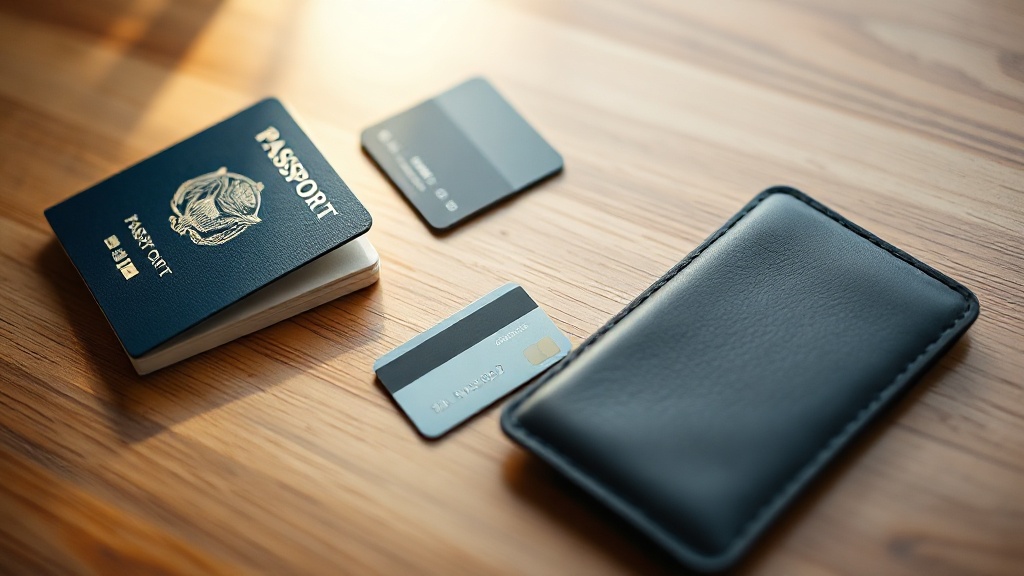
- Report it to local police within 1–2 hours. Get a written police report with a case number. Without this, your embassy won’t fast-track an emergency passport.
- Contact the nearest U.S. embassy or consulate. The State Department’s 24/7 hotline is +1-202-501-4444. Most major cities — Paris, Bangkok, Mexico City, Tokyo — have a consulate that handles emergency passport services during business hours, typically 8 a.m. to noon local time.
- An emergency passport (valid 1 year) costs $130 as of 2026 and can be issued same-day or next-business-day if you have your police report, proof of onward travel, and a passport photo. Some consulates have a photo booth on-site; most don’t — find a pharmacy or print shop nearby.
- Have digital backups. Store a photo of your passport’s bio page in your email drafts and a cloud folder. It won’t replace the physical document but it dramatically speeds up the consulate process.
What about Global Entry and TSA PreCheck?
Your Known Traveler Number (KTN) is tied to your passport number. When you receive a new emergency passport with a new number, update your KTN with CBP before your return flight — otherwise you’ll clear as a standard passenger and potentially miss connections if the regular security line is long at your departure airport.
The honest tradeoff
Travel insurance with a “travel assistance” rider typically covers the $130 emergency passport fee plus hotel nights while you wait. Standalone travel insurance policies from providers like Allianz or World Nomads run $80–$200 per trip depending on length and coverage level. If you’re a frequent international traveler, an annual multi-trip policy (typically $300–$500/year) pays for itself the first time your wallet goes missing in Rome.
—
3. Medical Emergencies Abroad
The cost reality in 2026
This is the one that scares me most, and it should scare you too. A single night in a private hospital in Southeast Asia can run $500–$2,000. In Western Europe or Japan, a short hospitalization can reach $10,000–$30,000. In the U.S., if your international flight diverts to a domestic airport and you need emergency care, your domestic health insurer may cover it — but it’s messy. Most U.S. health plans provide zero or minimal coverage abroad.
Steps to take when it happens
- Call your travel insurance’s emergency assistance line first — not your regular insurer, not 911 (or its local equivalent). Emergency assistance lines arrange direct billing with hospitals, which means you don’t front six figures and wait for reimbursement.
- If it’s life-threatening, go to the nearest ER immediately and worry about insurance after. Call the assistance line from the hospital.
- Ask the hospital for an itemized invoice in English before discharge. Many hospitals in tourist-heavy cities — Cancún, Phuket, Barcelona — have international patient desks that handle this routinely.
- Medical evacuation (medevac) is its own cost category. A medevac flight from Southeast Asia back to the U.S. can cost $50,000–$200,000 without coverage. Standalone medevac memberships through organizations like MedJet cost around $99–$350/year and are worth every dollar if you travel more than three times internationally per year.
The honest tradeoff
Comprehensive travel medical insurance is the obvious call here, but read the fine print on “pre-existing condition” clauses. Most policies in 2026 require you to purchase within 10–21 days of your initial trip deposit to get a pre-existing condition waiver. Buy it late and a flare-up of an existing condition won’t be covered — even if it’s something as common as a back injury or asthma attack.
—
4. Natural Disasters, Civil Unrest, and Security Evacuations
Register before you fly
The State Department’s Smart Traveler Enrollment Program (STEP) is free, takes five minutes at step.state.gov, and sends you security alerts for your destination country. In the event of an evacuation, it also helps the nearest embassy locate you. I’ve used it on trips to Nepal and Morocco — it’s genuinely useful, not bureaucratic theater.
What to do when things deteriorate quickly
- Check the State Department’s travel advisory level for your destination at travel.state.gov. Levels run 1–4; a Level 3 (“Reconsider Travel”) or Level 4 (“Do Not Travel”) issued while you’re already in-country triggers most travel insurance policies’ “cancel for any reason” or “trip interruption” clauses.
- Book the first available commercial flight home — even if it’s expensive. Airlines operating out of affected regions (think: carriers flying out of Istanbul, Amman, or Nairobi during regional crises) typically waive change fees and offer travel waivers. Check the airline’s website before paying a change fee.
- Keep 2–3 days of cash in local currency. ATMs and card networks go down during civil disruptions faster than anything else. In 2025, travelers caught in a West African airport shutdown reported card systems failing for 36+ hours.
- Government-assisted evacuations are a last resort. They’re not free (you sign a promissory note to repay the U.S. government), they’re slow, and commercial options are almost always faster if the airport is operational.
The honest tradeoff
“Cancel for any reason” (CFAR) travel insurance upgrades typically cost 40–50% more than a standard policy and must be purchased within 14–21 days of your first trip deposit. They reimburse roughly 75% of your prepaid, non-refundable costs. For a $5,000 trip, that upgrade might cost an extra $80–$120 — worth it if you’re traveling to a politically volatile region or during peak hurricane season (June through November in the Atlantic and Caribbean).
—
The Pre-Trip Checklist That Makes All of This Easier
You don’t need to memorize crisis playbooks at 2 a.m. in a foreign airport. You need to have done this before departure:
- [ ] Enroll in STEP at step.state.gov for every international destination
- [ ] Buy travel insurance within 14 days of your first deposit — not the night before departure
- [ ] Store a photo of your passport bio page in your email drafts and iCloud/Google Drive
- [ ] Write down your airline’s international customer service number (not the U.S. 1-800 line) in a notes app
- [ ] Note the nearest U.S. embassy address and hours for each country you’re visiting
- [ ] Carry $200–$300 USD in cash (accepted at currency exchanges globally) and $100–$200 in local currency at all times
- [ ] Set a low-data international plan on your phone — you need app access at a minimum; even a $10/day add-on from your carrier beats hunting for airport Wi-Fi during a crisis
- [ ] Email your itinerary to one trusted contact at home who knows to check in if they don’t hear from you
—
Your Next Concrete Step
Before your next trip, spend 15 minutes doing two things: enroll in STEP at step.state.gov, and get a travel insurance quote at InsureMyTrip.com (which aggregates plans from multiple insurers so you can compare medical, evacuation, and CFAR coverage side by side). Those two actions cost you nothing but time and cover roughly 80% of the emergencies described in this article.
The other 20%? That’s what the checklist above is for.
Related Posts
Stay Informed With the Latest & Most Important News
Previous Post
Next Post















Advertisement