

Now Reading: Chiang Mai Airport Guide: Terminals, Airlines, and Everything You Need Before You Fly
- 01
Chiang Mai Airport Guide: Terminals, Airlines, and Everything You Need Before You Fly
Chiang Mai Airport Guide: Terminals, Airlines, and Everything You Need Before You Fly


What to Know About Chiang Mai Airport Before You Arrive
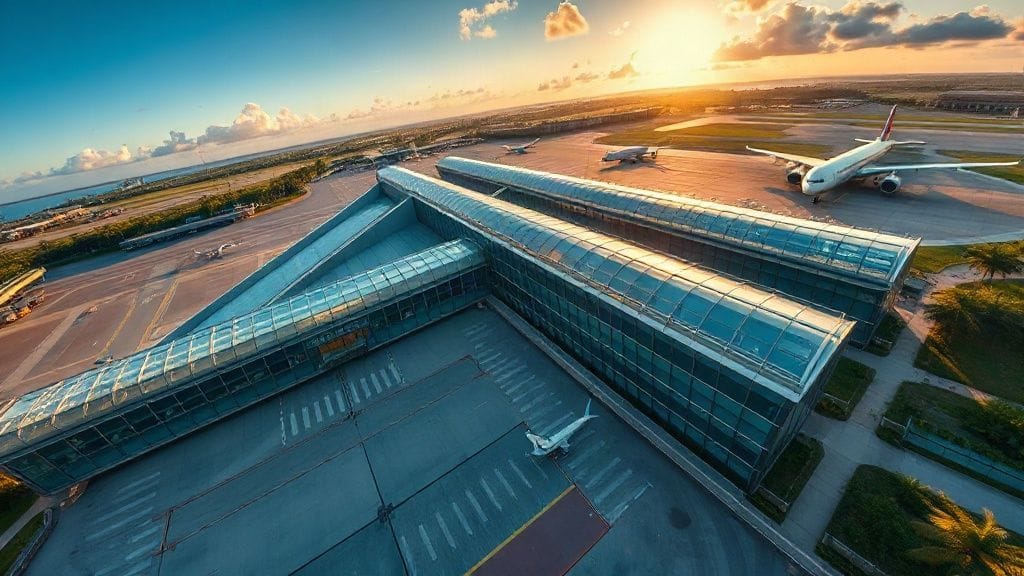
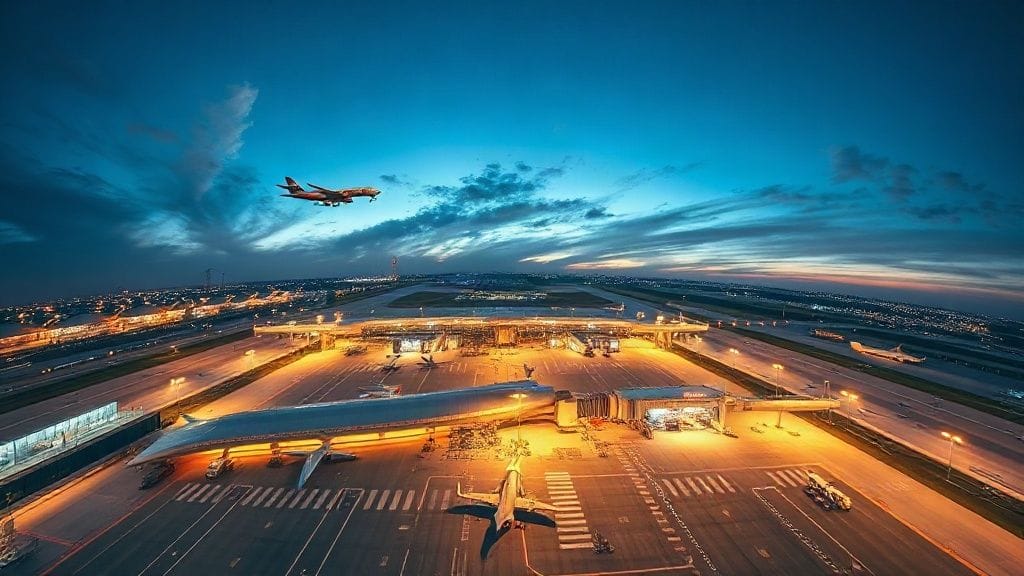
Chiang Mai International Airport (IATA: CNX) is the main gateway to northern Thailand. It sits about 3 kilometres southwest of the city centre — close enough that getting in and out is genuinely easy, but busy enough during peak season that a little preparation makes a real difference.
Whether you’re flying in for the first time or connecting onward through Bangkok, this Chiang Mai airport guide covers everything you need — terminals, airlines, ground transport, and fees — so you can move through CNX with confidence.
Chiang Mai Airport Terminal Layout: One Building, Two Levels
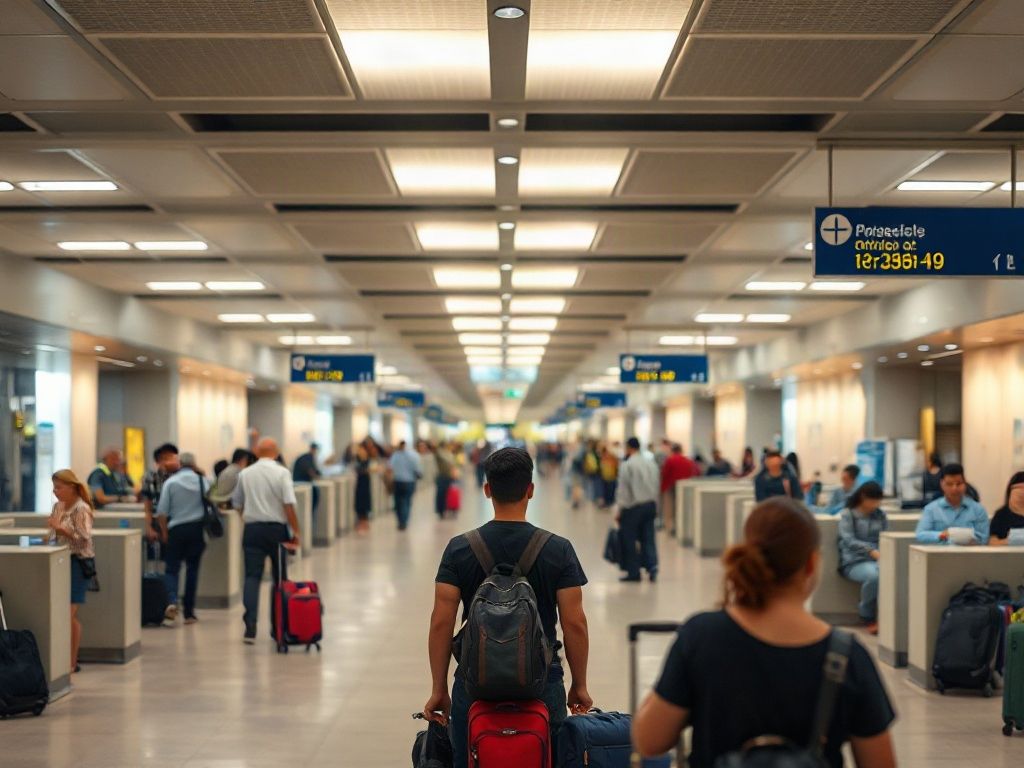
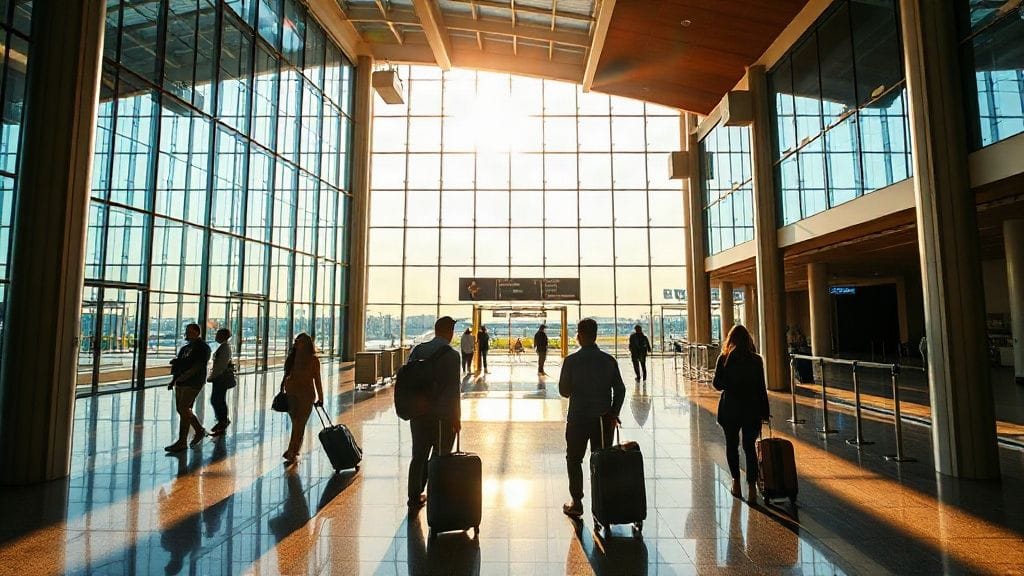
Chiang Mai Airport has a single passenger terminal split across two main levels. Departures are handled on the upper floor; arrivals come through the ground floor. The layout is straightforward by regional airport standards — you won’t need a shuttle bus or a long walk between gates.
Domestic vs International Zones
Domestic and international check-in counters are separated inside the same terminal building. Domestic flights use one wing; international departures use another. Both share the same arrivals hall on the ground floor, which can get crowded when multiple flights land at once. Budget extra time during Songkran (mid-April) and the winter cool season (November to February), when demand peaks sharply.
Facilities Inside the Terminal
The terminal has a reasonable selection of food stalls, coffee shops, and duty-free retail. There’s a currency exchange desk airside and several ATMs before and after security. Free Wi-Fi is available throughout. Seating can feel tight when the airport is at capacity, so arriving early is practical advice rather than just cautious advice.
Airlines That Fly Into Chiang Mai Airport
CNX is well-connected across Southeast Asia, though it doesn’t operate as a long-haul hub. Knowing which airlines serve the route you need helps you compare fares and understand what’s included.
Domestic Carriers
Thai Airways, Thai AirAsia, Bangkok Airways, and Nok Air between them cover the domestic network. Bangkok (Suvarnabhumi and Don Mueang) is by far the most frequent route — multiple departures per day from each carrier. Thai Smile (a Thai Airways subsidiary) also operates domestic services. Fares vary widely depending on how far in advance you book and whether you want flexibility to change.
A key tradeoff: Thai Airways and Bangkok Airways tend to include checked baggage and offer more generous rebooking policies, while AirAsia and Nok Air keep base fares lower but charge for almost every add-on. Price the full journey, not just the headline fare.
Regional and International Carriers
International scheduled services connect Chiang Mai to cities including Kuala Lumpur, Singapore, Guangzhou, Kunming, and several other Chinese cities. AirAsia, Malaysia Airlines, and various Chinese carriers cover these routes. Frequencies and airline choices shift seasonally, so verify the current schedule close to your travel dates through the airline’s own website or a flight-search tool.
There are no direct long-haul services to Europe, North America, or Australia. Travellers arriving from those regions typically connect via Bangkok Suvarnabhumi (BKK) or alternatively through Singapore Changi (SIN) or Kuala Lumpur (KUL).
Finding the Best Fares to Chiang Mai
The Bangkok–Chiang Mai route is one of the most competitive domestic routes in Southeast Asia. That competition generally keeps fares reasonable, but prices spike during school holidays, the Yi Peng lantern festival (usually November), and the New Year period.
When to Book
For domestic Thai flights, booking four to eight weeks ahead usually gives you a good range of fares without committing too early. Last-minute fares on this route occasionally drop — carriers would rather sell a seat cheap than fly it empty — but that’s a gamble, not a strategy. If your dates are fixed, book early.
For international routes into CNX, the booking window that tends to offer value is roughly two to three months out. Chinese New Year and Songkran are exceptions; those periods sell out well in advance across the region.
Connecting Through Bangkok: BKK vs DMK
This is a practical decision that affects both price and convenience. Don Mueang (DMK) is Bangkok’s low-cost airport and the base for Thai AirAsia and Nok Air. Suvarnabhumi (BKK) handles Thai Airways, Bangkok Airways, and most international connections. If you’re arriving in Bangkok from abroad and continuing to Chiang Mai, check whether your connection requires an airport transfer — because crossing Bangkok between BKK and DMK takes time and costs money, and it’s easy to underestimate both. For a full breakdown, see Bangkok’s two airports explained before you book.

Getting To and From Chiang Mai Airport
Chiang Mai Airport’s city-centre proximity is one of its best features. Your main options are:
- Red songthaew (shared truck): The cheapest option into the old city or Nimman area. Negotiate the fare before you get in.
- Metered taxi: Available from the official taxi rank outside arrivals. Ask for the meter to be used. Journey times to central Chiang Mai are typically 10–20 minutes outside rush hours.
- Ride-hailing apps: Grab operates in Chiang Mai and can be more transparent on pricing than negotiated taxis.
- Hotel shuttle: Many hotels offer pickups; worth confirming when you book.
- Bicycle or scooter rental: Available near the airport for those staying longer and comfortable riding in Thai traffic.
Chiang Mai Airport Check-In and Fees: What to Expect
Online check-in is available with most carriers serving CNX. If you’re flying AirAsia domestically, checking in online (or via the app) and travelling carry-on only is one of the easiest ways to keep total costs down. Most low-cost carriers charge for checked baggage, seat selection, and snacks separately — none of this is hidden, but it adds up if you don’t account for it.
Thailand levies a departure tax, but this is almost always included in the ticket price rather than collected separately at the airport. Verify your booking confirmation shows the total with taxes before assuming that’s the case.
Practical Tips for a Smoother Transit
- Arrive at least 90 minutes before domestic departures and two hours before international flights. The airport is small, but security queues can build quickly.
- The arrivals hall can feel chaotic when several flights land simultaneously. If someone is meeting you, agree on a specific landmark — not just “outside arrivals.”
- The airport has a left-luggage facility, useful if your accommodation isn’t ready for an early check-in.
- Confirm whether your travel insurance covers flight delays in this region. Weather disruptions and occasional technical delays do happen.
- Download your boarding pass before you arrive. Connectivity inside the terminal is generally fine, but it’s one less thing to manage in a crowd.
Using This Chiang Mai Airport Guide to Plan Your Route
Chiang Mai Airport is refreshingly manageable — no sprawling multi-terminal complex, no automated train between gates. But manageable doesn’t mean you can turn up and wing it during high season. The combination of compact infrastructure and high passenger volume at peak times rewards travellers who book sensibly, know their airline’s fee structure, and give themselves realistic transfer time if Bangkok is in the picture.
If you’re building an itinerary around northern Thailand, getting your inbound and outbound flights locked in early is the highest-value planning step you can take.
Ready to start comparing fares? Explore how to find cheaper flights to Chiang Mai and review the best flight routes to Chiang Mai to see which airlines fly direct and which require a stopover — then use the tips in this Chiang Mai airport guide to make sure the ticket you book is actually the best deal for your trip.










Pingback: Flight Routes to Chiang Mai: Direct & Stopover Options