Now Reading: Bangkok Airport Guide: Suvarnabhumi vs. Don Mueang — Which One Should You Fly Into?
- 01
Bangkok Airport Guide: Suvarnabhumi vs. Don Mueang — Which One Should You Fly Into?
Bangkok Airport Guide: Suvarnabhumi vs. Don Mueang — Which One Should You Fly Into?

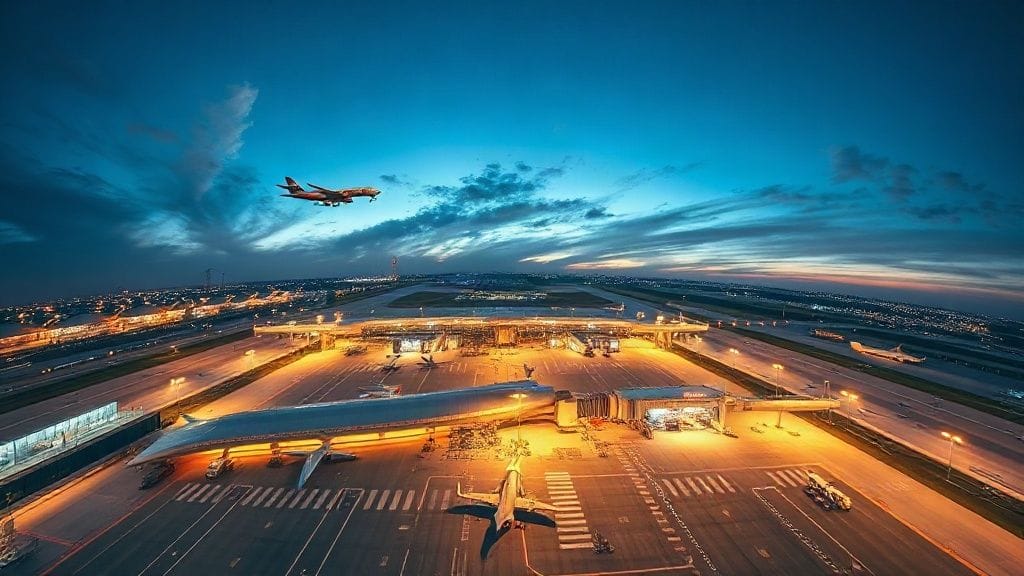
Choosing the right Bangkok airport before you book can save you hours and unnecessary expense. Suvarnabhumi (BKK) and Don Mueang (DMK) serve very different types of travellers — and understanding which Bangkok airport fits your itinerary is one of the most practical decisions you’ll make when booking flights to the Thai capital.
Bangkok Airport Overview: BKK vs DMK
Bangkok has two international airports, and picking the wrong one can add hours and extra cost to your trip before you’ve even left the terminal. Suvarnabhumi handles the majority of full-service international traffic, while Don Mueang has become the city’s low-cost carrier hub. Knowing which Bangkok airport your airline uses is the first step in planning a smooth arrival.
Suvarnabhumi Airport (BKK): Bangkok’s Main Hub
Suvarnabhumi opened in 2006 and quickly became Southeast Asia’s busiest international gateway. It sits about 30 km east of central Bangkok. Most full-service carriers — including Thai Airways, Emirates, Qatar Airways, Singapore Airlines, Cathay Pacific, and major European and American carriers — operate from this Bangkok airport.
Getting to the City from Suvarnabhumi
The standout transport option is the Airport Rail Link, which connects directly to Phaya Thai station in about 30 minutes for a fare that’s a fraction of a taxi. From Phaya Thai you can switch to the BTS Skytrain network and reach most hotel areas without touching a taxi queue.
- Airport Rail Link (express): ~15 minutes to Makkasan, good for MRT connections
- Airport Rail Link (city line): ~30 minutes to Phaya Thai, BTS-connected
- Metered taxi: 45–90 minutes depending on traffic; expressway tolls are extra and paid by the passenger (verify current toll amounts before travel)
- Grab: Available from designated areas; useful if you know the route
Traffic between Suvarnabhumi Bangkok airport and central Bangkok can be severe during peak hours (roughly 7–9 am and 5–8 pm). Budget 90 minutes for ground transport on a bad traffic day if you’re taking a taxi.
Facilities and Layover Experience
Suvarnabhumi is large and modern, with a wide range of restaurants, lounges, duty-free shops, and a dedicated transit hotel. If you have a long layover — say, six hours or more — there’s enough here to stay comfortable without leaving the terminal. The airport has a well-organised transit zone for passengers not entering Thailand.
Don Mueang Airport (DMK): The Budget Airline Base
Don Mueang is Bangkok’s older airport, located about 24 km north of the city centre. It was largely retired when Suvarnabhumi opened but was repurposed as the city’s low-cost carrier hub. If you’re flying AirAsia, Nok Air, Thai Lion Air, or certain regional budget routes, there’s a strong chance your flight operates from this Bangkok airport.
Getting to the City from Don Mueang Bangkok Airport
Don Mueang does not have a rail connection directly into the city centre — this is its main practical disadvantage compared to Suvarnabhumi. Your options are:

- Commuter train (SRT): The State Railway of Thailand runs trains from a station adjacent to the airport to Hua Lamphong (central Bangkok). Cheap, but infrequent and slow — verify current schedules before relying on this.
- Public bus: Several routes connect to BTS stations; cheap but time-consuming with luggage.
- Metered taxi: Typically 45–75 minutes to the city centre, expressway tolls extra.
- Grab: Pick-up zones are available; worth comparing to metered taxi pricing.
If you’re staying near Mo Chit BTS station (the northern end of the Sukhumvit line), Don Mueang Bangkok airport is actually relatively convenient by taxi. If you’re heading to Silom or the Riverside area, factor in serious ground transport time.
Facilities at Don Mueang
Don Mueang is functional but noticeably more basic than Suvarnabhumi. Food options are limited, especially in the international departure area after security. Lounge access exists but is limited to a handful of options. For short layovers this is fine; for layovers of several hours it’s less comfortable.
The Key Tradeoff: Fare vs. Convenience
The core question is whether the savings from flying into Don Mueang are worth the transport friction. Here’s a realistic framework:
When Don Mueang Makes Sense
- You’re flying a low-cost carrier (AirAsia, Nok Air, Thai Lion Air) and the fare difference versus a Suvarnabhumi service is significant — say, more than the cost of your extra ground transport and time.
- You’re arriving in the middle of the night and taking a taxi directly to your hotel, so the lack of a rail link doesn’t matter.
- You’re heading onward domestically from Don Mueang within a day or two — many domestic Thai routes depart from DMK.
- Your accommodation is in northern Bangkok near Mo Chit, Chatuchak, or Victory Monument.
When Suvarnabhumi Bangkok Airport Is Worth It
- You value a direct, reliable rail connection into the city.
- You’re arriving during peak traffic hours and don’t want unpredictable taxi times.
- You have a long international layover and need decent facilities.
- Your onward connection (internationally) departs from Suvarnabhumi — don’t book a transit that requires transferring between the two airports unless you have plenty of time. The airports are about 60 km apart by road.
Connecting Between the Two Airports
This is a genuine risk worth planning carefully. If you book a trip where one leg arrives into Suvarnabhumi and another departs from Don Mueang (or vice versa), you are responsible for the transfer. There is no rail link between them. By taxi or Grab, allow at least 90 minutes during off-peak hours and up to 2.5 hours during rush hour. Airlines will not cover you for a missed connection if you booked the two flights separately.
Some travellers do this intentionally — for example, arriving internationally at BKK and catching a cheap domestic flight from DMK. If you do, build in a large buffer and don’t cut it close.
Practical Tips for Booking Bangkok Flights
- Always check which Bangkok airport your flight uses before booking — search engines and booking tools display the airport code (BKK or DMK), but it’s easy to overlook.
- Compare the full cost: a cheaper DMK fare plus taxi may cost more than a pricier BKK fare with the rail link included in your mental budget.
- If you’re booking a multi-city itinerary into Thailand, verify that your inbound and outbound flights use the same airport, or that you’ve allocated enough time to transfer.
- Domestic routes out of Bangkok are split between both airports. Thai Airways typically uses BKK; budget carriers use DMK. Verify this for each specific flight, not just the airline in general.