Now Reading: Brisbane Airport Terminal Guide: Domestic vs International Flights Explained
- 01
Brisbane Airport Terminal Guide: Domestic vs International Flights Explained
Brisbane Airport Terminal Guide: Domestic vs International Flights Explained

Understanding Brisbane Airport’s Terminal Layout
This Brisbane Airport terminal guide covers everything you need to navigate the airport with confidence. Brisbane Airport operates two separate terminals sitting roughly two kilometres apart: the Domestic Terminal and the International Terminal. Knowing which one you need before you leave home saves you from the frustrating scramble of arriving at the wrong building with a tight check-in window.
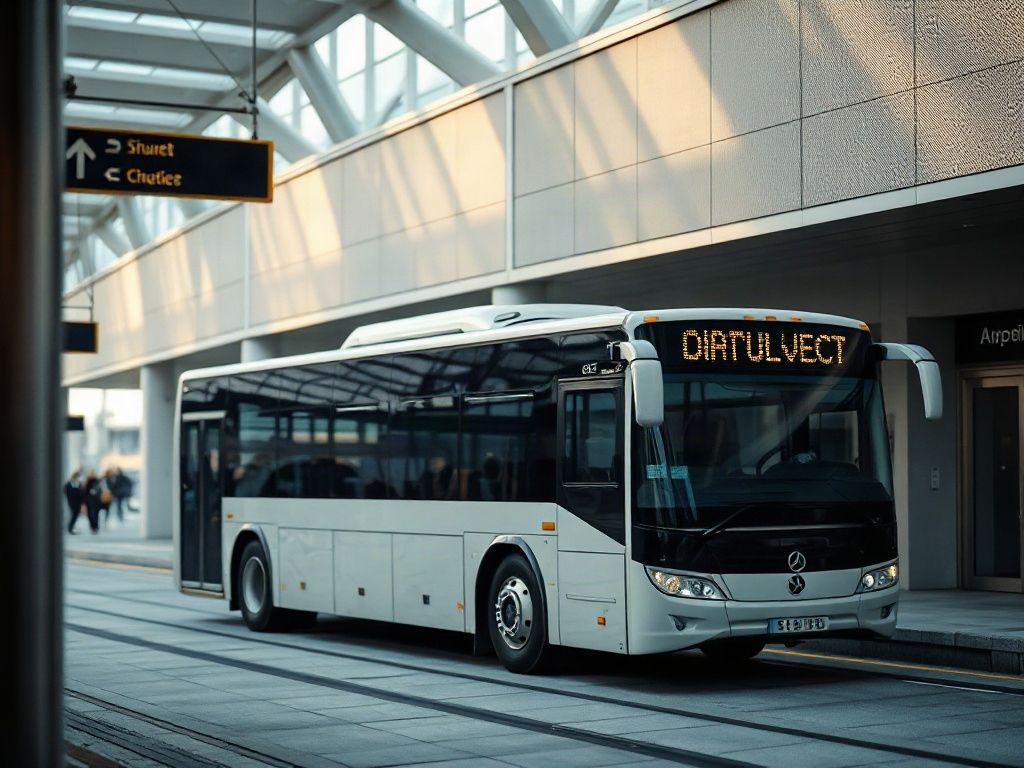
The two terminals are connected by a free inter-terminal transfer bus that runs around the clock, though the journey takes about ten minutes and buses do not run on a tight frequency at all hours. Factor that into any connection you are planning.
Brisbane Airport Domestic Terminal: What to Expect
The Domestic Terminal handles flights within Australia. Qantas, Jetstar, Virgin Australia, and Rex all operate from here, though not always from the same section of the building. Qantas and its budget subsidiary Jetstar have historically operated from separate concourses, so confirm your departure gate zone when you check in online.
Check-in and Security
Most Australian carriers now push passengers toward online or app check-in, which means you may only need to drop a bag rather than queue at a full-service desk. Self-service bag-drop kiosks are common, but arrive with enough time in case there is a queue — domestic security lines at Brisbane can build quickly during the morning bank of departures between roughly 6 am and 9 am.
Security screening for domestic flights does not require passport control, so the overall process is faster than an international departure, but do not assume you can arrive 30 minutes before a domestic flight and walk through comfortably.
Facilities and Parking
The Domestic Terminal has a broad range of food outlets, retail shops, and lounges (Qantas Club, Virgin Australia The Club). Short-term and long-term parking are available directly adjacent to the terminal. The long-term lots are noticeably cheaper if you book in advance through Brisbane Airport’s website rather than paying on the day.
Brisbane Airport International Terminal: What to Expect
The International Terminal manages all flights departing Australia and all arriving international services at Brisbane. Airlines including Qantas, Singapore Airlines, Qatar Airways, Cathay Pacific, Air New Zealand, and several others use this terminal. New Zealand is an international destination, so Air New Zealand flights depart from here even though the flight is relatively short.
Customs, Immigration, and Biosecurity
Allow significantly more time at the International Terminal. Australian Border Force processes both departures and arrivals, and international check-in counters typically open three hours before departure. The airport recommends arriving at least two hours before a long-haul international flight; in practice, three hours gives you comfortable breathing room during busy periods.
On arrival from overseas, you will clear immigration (SmartGate e-passport gates are available for eligible passport holders), collect bags, and pass through Australian Border Force biosecurity screening before exiting the terminal. The biosecurity declaration is strict — undeclared food, plant material, or animal products can result in fines.
Lounges and Amenities
International departures at Brisbane benefit from a tax-free duty-free shopping zone, a wider range of food and beverage options airside, and airline lounges including the Qantas International Business Lounge and Virgin Australia’s international lounge. Access typically requires a premium ticket or an eligible frequent flyer membership — check your airline’s lounge policy before assuming entry.
Connecting Between Domestic and International at Brisbane
If you are transiting between a domestic feeder flight and an international departure at Brisbane — or vice versa — the inter-terminal transfer is the critical link to manage.
How the Transfer Bus Works
The free shuttle bus picks up at designated bays outside both terminals and runs continuously. However, the ride itself plus walking time at each end means you should budget at least 20 to 30 minutes for the transfer, not ten. During peak periods or when domestic flights run late, that margin tightens fast.
Minimum Connection Times
Most airlines booking connecting itineraries through Brisbane apply a minimum connection time, but if you are self-connecting — booking two separate tickets yourself — you carry the risk if one flight runs late. A comfortable self-connection at Brisbane for domestic-to-international travel is generally considered to be at least 90 minutes, ideally two hours. Cutting it to 60 minutes is risky unless the domestic sector is very short and on-time performance is strong. For more on managing connections at busy airports, see our Melbourne Airport Guide for a useful comparison.
- Pre-check in online for both flights where possible before you arrive.
- Confirm the inter-terminal bus bay location from your arrival terminal exit.
- Have your passport accessible if your connecting flight is international.
- Do not check luggage on separate tickets unless you have confirmed each airline will transfer bags automatically — most will not.
Getting To and From Brisbane Airport
Brisbane Airport is well connected to the CBD and surrounding suburbs. The Airtrain rail service runs from both terminals to Brisbane Central Station, with stops at several inner-city stations and also connecting to the Gold Coast line. Journey time to the city centre is around 20 to 25 minutes depending on your destination.
Taxis, rideshare services, and airport shuttle buses also operate from designated pick-up zones outside each terminal. If you are driving, note that pick-up and drop-off zones are time-limited and monitored — do not use them as waiting areas.
Practical Tips Before You Fly from Brisbane Airport
- Download your airline’s app to track real-time gate information — Brisbane uses dynamic gate assignments for some carriers.
- Check whether your fare includes checked baggage before you pack, as many domestic low-cost fares do not — our Baggage Fees Explained guide covers what to watch for.
- If departing internationally, confirm visa requirements well in advance — Brisbane Airport staff cannot override a boarding denial due to missing documentation.
- Currency exchange is available airside and landside at the International Terminal, but rates vary significantly. Compare with your bank card’s international transaction fee before exchanging large amounts.
- For early morning departures, the Domestic Terminal has 24-hour food options, though choice is limited outside peak hours.