Now Reading: Perth Airport Terminals Explained: Domestic vs International and How to Connect Between Them
- 01
Perth Airport Terminals Explained: Domestic vs International and How to Connect Between Them
Perth Airport Terminals Explained: Domestic vs International and How to Connect Between Them

Why Perth Airport Terminals Confuse So Many Travellers
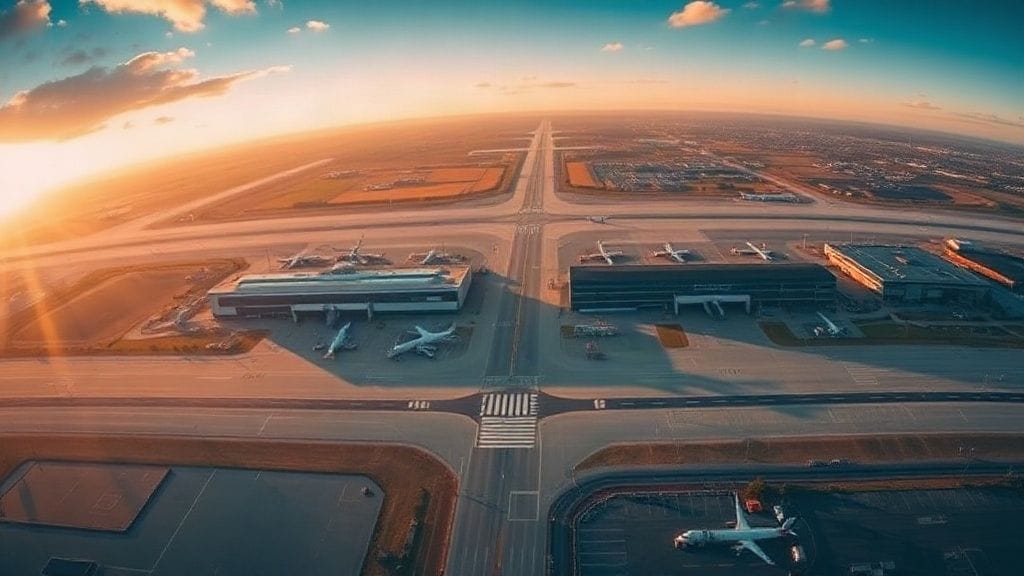
Perth Airport is not a single building. It spreads across two distinct precincts separated by several kilometres of road, and that surprises a lot of first-timers. Whether you are flying in from Sydney and catching an international connection, or picking up a hire car after a long-haul arrival, understanding which Perth Airport terminal you need before you arrive saves real stress on the day.
This guide walks through the terminal layout, who uses each one, how to move between them, and the practical things worth knowing before you book or pack.
The Two Main Terminal Precincts
Perth Airport operates across two separate precincts: the International Precinct (Terminal 1) and the Domestic Precinct (Terminals 3 and 4). They are roughly 10 to 15 minutes apart by road, which matters enormously if you are connecting between a domestic and international flight.
Terminal 1 – International
Terminal 1 handles all international departures and arrivals, including flights operated by Qantas and Jetstar on international routes. It is a modern facility with duty-free shopping, currency exchange, international check-in halls, and a separate arrivals hall with customs and biosecurity processing.
If you are flying to or from destinations such as Bali, Singapore, Dubai, Tokyo, or London, this is your terminal. Allow extra time for immigration queues, particularly on busy mornings when multiple wide-body aircraft arrive around the same window.
Terminals 3 and 4 – Domestic
Terminals 3 and 4 form the Domestic Precinct and sit in a completely different part of the airport campus. Terminal 3 is used primarily by Qantas and QantasLink, while Terminal 4 is Jetstar’s domestic home. Virgin Australia operates from Terminal 1 on some routes — check your booking carefully, as this is a common source of confusion.
The domestic terminals are functional and well-signposted, with the standard mix of cafes, newsagents, and retail stores you would expect from a major Australian airport. Security screening is straightforward for carry-on compliant bags.
The Distance Between Terminals and Why It Matters
The gap between the International Precinct and the Domestic Precinct is approximately 3 kilometres by road. There is no airside connection, no underground train link, and no covered walkway. To move between them, you must exit one precinct and travel by road to the other.
This is not a minor inconvenience. If you land internationally and need to clear customs, collect bags, and reach the domestic terminal for a connecting flight, a minimum of 90 minutes is a realistic buffer — and two hours is safer during peak periods or if your international flight arrives late.
Transport Options Between Precincts
- Taxi or rideshare: The fastest and most direct option. Expect a short ride of around 10 to 15 minutes depending on traffic and pick-up wait times. Uber, Ola, and taxis all operate from both precincts.
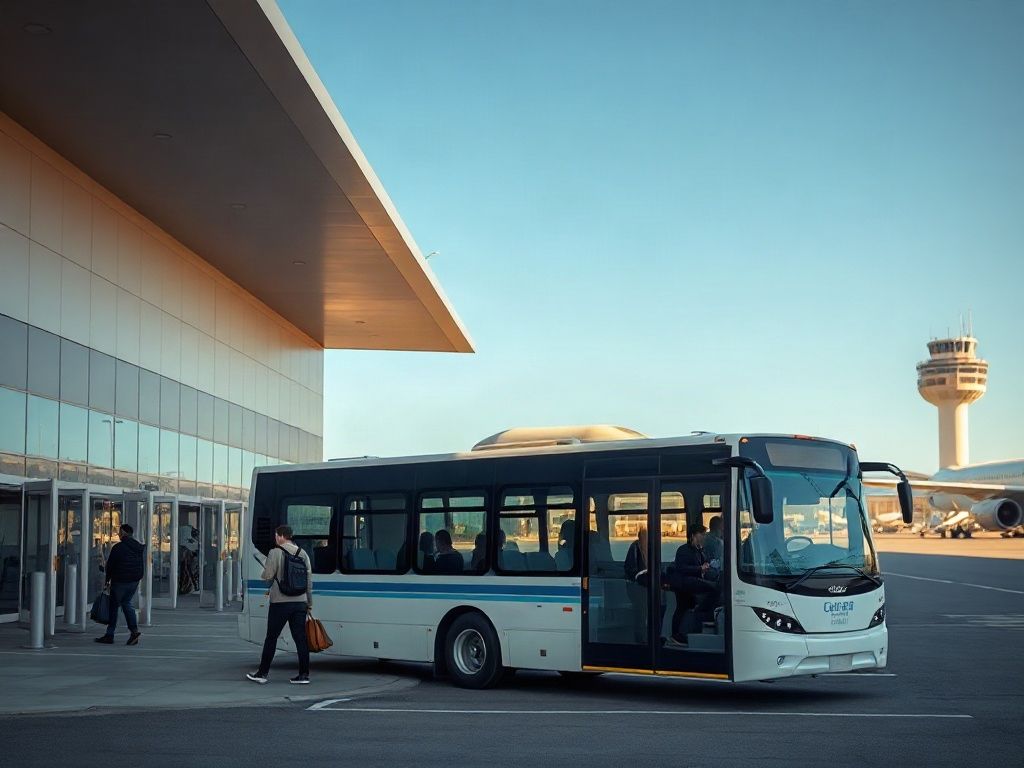
- Free Terminal Transfer Bus: Perth Airport operates a complimentary shuttle between the International and Domestic Precincts. At the time of writing this service runs at intervals, so factor in wait time. Confirm the current timetable on the official Perth Airport website before your travel date, as schedules can change.
- Hire car: If you have a hire car booked, most rental desks are located at the Domestic Precinct. Check your rental agreement for the exact pick-up point.
- Driving or being dropped off: If someone is collecting you, make sure they know which precinct you are arriving at — calling the wrong terminal is a very common family reunion mistake.
Booking Connecting Flights Through Perth Airport
This is where careful planning pays off. If you book an international and a domestic leg as separate tickets — not as a single itinerary — you carry all the risk of a missed connection yourself. The airline has no obligation to rebook you if your international flight is delayed and you miss your self-booked domestic leg.
Whenever possible, book connecting flights as a single itinerary so the airline takes on the connection responsibility. If you must book separately, build in at least two to two-and-a-half hours of buffer time at Perth Airport to account for customs, baggage claim, the inter-terminal transfer, and domestic check-in cutoffs.
Some routes into Perth — particularly from Southeast Asia — can land early in the morning when the inter-terminal shuttle may run less frequently. Check departure times carefully against arrival estimates.
Perth Airport Terminal Quick-Reference by Airline
Airline terminal assignments can change, so always confirm when you check in online or receive your booking confirmation. As a general guide at the time of writing:
- Qantas international: Terminal 1
- Qantas domestic: Terminal 3
- Jetstar international: Terminal 1
- Jetstar domestic: Terminal 4
- Virgin Australia: Confirm with your booking — Virgin has used both Terminal 1 and the Domestic Precinct at various points. Check your booking confirmation directly.
- Other international carriers (Singapore Airlines, Cathay Pacific, Emirates, etc.): Terminal 1
Practical Tips for a Smoother Experience
If You Are Transiting Internationally Through Perth
Some passengers route through Perth as a transit point rather than a final destination. If your bags are checked through to your final destination on a single itinerary, you may not need to collect them at Perth. However, if you are entering Australia — even to transit — you will go through Australian Border Force processing, which takes time. Confirm your transit requirements with your airline before departure.
Parking Across the Two Precincts
Each precinct has its own parking facilities. If you drive to the international terminal for a drop-off and then need to retrieve your car from the domestic side, you are looking at either walking a very long distance or driving between precincts. Plan parking around which terminal you are actually using, not just which one is closest to the entrance.
Check-In Cutoffs at Domestic Terminal
Domestic check-in cutoffs in Australia are typically 30 to 45 minutes before departure for bag drop, but this varies by airline. If you are connecting from international to domestic and pushing the time window, arrive at the bag drop as early as you can rather than assuming the cutoff is a guarantee.