

Now Reading: Top 5 Zero-Waste Safari Destinations Thriving in 2026
-
01
Top 5 Zero-Waste Safari Destinations Thriving in 2026

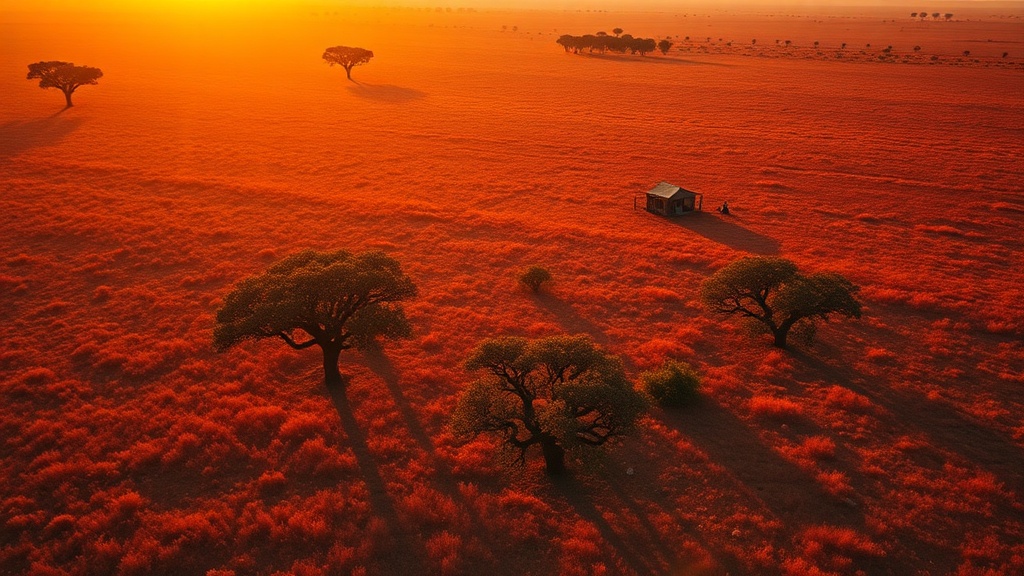
Zero-waste safari is no longer a niche experiment — in 2026, it’s a fast-growing segment of wildlife travel with real infrastructure, verifiable certifications, and lodges that don’t ask you to sacrifice comfort for conscience.
Getting to these places has also changed. More carriers now offer verified carbon-offset programs at checkout, and a handful of routes into East and Southern Africa have added direct or near-direct options that shave hours off brutal multi-stop itineraries. Here’s where to go, how to get there, and what it’ll actually cost you.
—
What “Zero-Waste Safari” Actually Means in 2026
Before we get into destinations, let’s be honest about the label. “Zero-waste” on a safari rarely means literally zero waste — it means a certified commitment to minimising landfill output through composting, solar energy, borehole water systems, and eliminating single-use plastics across the property. Look for lodges carrying Rainforest Alliance, EarthCheck Gold, or the African Responsible Tourism certification. If a camp only mentions it on an Instagram reel, keep scrolling.
The honest tradeoff here: genuinely zero-waste lodges typically run $450–$900 per person per night, all-inclusive. Budget options exist in the $200–$350 range, but you’ll need to scrutinise their waste practices closely. The premium is real, but so is the accountability.
—
1. Okavango Delta, Botswana — The Gold Standard of Low-Impact Safari
Botswana’s long-standing no-high-volume tourism policy means the Okavango Delta — a UNESCO World Heritage Site since 2014 — is deliberately kept quiet. Daily visitor quotas per concession are strict, and the government enforces them. This isn’t marketing; it’s legislation.
Getting There
- Fly into Sir Seretse Khama International Airport (GBE) in Gaborone, then connect to Maun Airport (MUB) — the gateway to the Delta.
- From the US East Coast, expect roughly 18–22 hours total travel time with a connection via Johannesburg (JNB) on carriers like South African Airways or Ethiopian Airlines.
- Round-trip economy fares from New York (JFK) to Maun typically land between $1,400–$2,100, depending on how far out you book. Aim for February–April departures to hit the dry green season and lower airfare simultaneously.
Why It’s Thriving in 2026
Several camps in the Delta are now operating on 100% solar power, including eliminating diesel generators entirely — a milestone that felt distant five years ago. Mokoro (dugout canoe) game activities produce zero emissions by definition. Waste is flown out by charter plane to Maun for proper processing, since there are no landfills in the wilderness concessions.
Honest tradeoff: Internal charter flights between Maun and remote camps add $300–$600 per person round-trip and aren’t offsettable in any meaningful way right now. It’s a carbon cost you have to weigh against the overall low-impact experience on the ground.
—
2. Lewa Wildlife Conservancy, Kenya — Community-Led and Carbon-Serious
Lewa, a UNESCO World Heritage-listed conservancy north of Mount Kenya, has been doing sustainable tourism longer than most. What’s changed in 2026 is the depth of its community revenue-sharing model — over 40% of lodge profits now flow directly to surrounding Maasai and Borana communities, according to the conservancy’s published annual reports.
Getting There
- Fly into Nairobi Jomo Kenyatta International Airport (NBO), then take a 45-minute light aircraft flight or a 4–5 hour drive to Lewa.
- Kenya Airways operates direct flights from London Heathrow (LHR) to NBO in around 8.5 hours. From the US, connections through Amsterdam (AMS) or Dubai (DXB) are your most reliable options.
- Round-trip economy from Los Angeles (LAX) to NBO runs roughly $1,100–$1,700 in the shoulder season months of March and November.
Why It’s Thriving in 2026
Lewa’s lodges now use biogas digesters to convert organic kitchen waste into cooking fuel — a closed-loop system that genuinely earns the zero-waste label. The conservancy also runs its own plastic-free supply chain, requiring all vendors to deliver goods without single-use packaging.
Lewa is also one of the best-documented rhino sanctuaries on the continent, with both black and white rhino populations growing year-on-year. You’re paying for conservation outcomes you can actually track.
Honest tradeoff: Because Lewa operates on strict anti-poaching security protocols, independent self-drive is not allowed. All game drives are guided, which limits flexibility for travelers used to more autonomous experiences.
—
3. Niassa Special Reserve, Mozambique — Africa’s Largest and Least-Visited Reserve
At roughly 42,000 square kilometres, Niassa is bigger than Switzerland, and it sees fewer than 1,000 tourists per year. That’s not a typo. The low traffic is partly because getting there takes effort, but that’s also exactly why the ecosystems here remain intact.
Getting There
- Fly into Maputo International Airport (MPM) or Lichinga Airport (VXC) for the northern approach.
- There are no direct flights from North America to Mozambique. Most travelers route through Addis Ababa (ADD) via Ethiopian Airlines or through Johannesburg (JNB).
- Budget at least $1,600–$2,400 round-trip from the US, and add a $200–$400 internal leg to Lichinga.
- Travel between July and October for dry-season wildlife viewing and the most reliable small-aircraft connections.
Why It’s Thriving in 2026
A coalition of conservation NGOs and the Mozambican government formalised a new zero-waste lodge certification framework in early 2025. The handful of camps operating in Niassa — think five lodges total across the whole reserve — now operate under it. Solar microgrids, composting toilets, and rainwater harvesting aren’t optional extras; they’re licensing requirements.
The wildlife rebound is the proof of concept. Lion and elephant populations in Niassa have grown significantly over the past decade, directly attributed to low human pressure and strong community anti-poaching programs.
Honest tradeoff: Niassa is genuinely remote. If something goes medically wrong, evacuation can take 6–12 hours. Travel insurance with medical evacuation coverage (look for policies covering at least $500,000 in evacuation costs) is non-negotiable here, not optional.
—
4. Torra Conservancy, Namibia — Where Community Ownership Runs the Lodge
Namibia’s communal conservancy model is one of the most-studied wildlife conservation successes in the world, and Torra in the Kunene Region is its flagship. The conservancy is owned and operated by the local Damara and Herero communities, who receive the majority of tourism revenue. The one lodge operating here — Damaraland Camp — holds multiple sustainability certifications and has been single-use-plastic-free since 2019.
Getting There
- Fly into Hosea Kutako International Airport (WDH) in Windhoek.
- From the US, the most common routing is via Frankfurt (FRA) or Johannesburg (JNB). Lufthansa and South African Airways both service this route regularly.
- Round-trip economy from Chicago (ORD) to Windhoek typically runs $1,300–$1,900. Book June–August departures early — Namibia’s dry season is peak demand, and fares jump by February.
- From Windhoek, it’s a scenic 4–5 hour drive or a 1-hour charter flight to the conservancy.
Why It’s Thriving in 2026
Torra recently completed a large-scale solar installation that now powers all lodge operations and a portion of the surrounding community’s electricity needs. More notably, the black rhino population on the conservancy — once poached to local extinction — has recovered to a documented 20+ individuals as of 2025.
Namibia’s overall flight infrastructure has also improved. A code-share expansion between Air Namibia’s successor carrier and European hubs means fewer missed connections for international travelers, which is practically significant for anyone who’s spent an unplanned night in Johannesburg.
Honest tradeoff: Damaraland is desert terrain. It’s spectacular, but travelers expecting the classic Big Five tick-list experience will find it different here — tracking desert-adapted lions and elephants requires patience, and sightings aren’t guaranteed. That’s the point, honestly, but it’s worth knowing before you go.
—
5. Cairns to Cape York Wilderness, Queensland, Australia — Zero-Waste Safari Beyond Africa
Africa dominates the safari conversation, but Australia’s Cape York Peninsula delivers a legitimate wild-country experience — saltwater crocodiles, cassowaries, jabiru storks, and near-pristine rainforest — with a growing set of zero-waste operators who’ve been certified by Ecotourism Australia (the country’s rigorous national standard).
Getting There
- Fly into Cairns Airport (CNS), which is well-connected domestically from Sydney (SYD) and Melbourne (MEL).
- International travelers from the US can fly direct from Los Angeles (LAX) to Brisbane (BNE) or Sydney (SYD) on Qantas or United, then connect domestically. Total travel time from LAX runs about 18–22 hours.
- Round-trip from LAX to CNS via Sydney typically costs $1,000–$1,600 in economy. April through June offers the best combination of post-monsoon wildlife activity and lower fares.
Why It’s Thriving in 2026
Queensland’s state government implemented a stricter eco-certification requirement for operators in protected wilderness areas starting January 2026 — any operator taking guests into Cape York National Parks now needs at least a Certified Sustainable Tourism (CST) rating. The floor has been raised across the board, which means fewer greenwashing outliers diluting the market.
The practical upside for travelers: you can cross-reference the Ecotourism Australia public directory before booking and filter for “Advanced Ecotourism” rated operators, which is the highest tier.
Honest tradeoff: Cape York’s accessibility window is genuinely narrow — May through October is the only reliable dry-season window, and some interior roads remain 4WD-only even then. Fly-in wilderness tours add $400–$800 per person but are the practical option for time-constrained travelers.
—
How to Book Flights for Zero-Waste Safari Travel in 2026
A few things worth knowing before you hit “purchase”:
- Carbon offset programs vary wildly. The ones offered at checkout by airlines are often low-quality avoided-deforestation credits. Independently offsetting through Gold Standard or American Carbon Registry-certified projects gives you more accountability.
- Book international legs 3–5 months out for East and Southern Africa routes. Last-minute fares to Nairobi, Windhoek, or Maputo spike fast, especially June–October.
- Premium economy is worth pricing. On 10+ hour legs to Africa, the gap between economy and premium economy has narrowed on several carriers — sometimes as little as $400–$600 round-trip extra, which changes the calculus on a 20-hour journey.
- Travel insurance with evacuation coverage is mandatory, not optional, for any remote reserve on this list. Budget a minimum of $150–$300 for a policy that actually covers wilderness medical evacuation.
—
Your Concrete Next Step
Pull up the Ecotourism Australia directory or the African Responsible Tourism certification database right now and cross-reference the specific lodge you’re considering. Then open Google Flights, set your destination to the nearest international gateway airport on this list, and use the price calendar view to identify the lowest-fare week within your preferred travel window. Set a fare alert for that route — prices for Africa and Australia itineraries can drop 15–25% within a 6–8 week window before departure if you’re flexible on exact dates.
Don’t just book what looks good on a lodge’s own website. Verify the certification. The lodges that are actually doing this work aren’t shy about publishing the documentation.
Related Posts
Stay Informed With the Latest & Most Important News
Previous Post
Next Post














Advertisement