

Now Reading: White-Water Raft the Zambezi River: 5 Tips for First-Timers
-
01
White-Water Raft the Zambezi River: 5 Tips for First-Timers

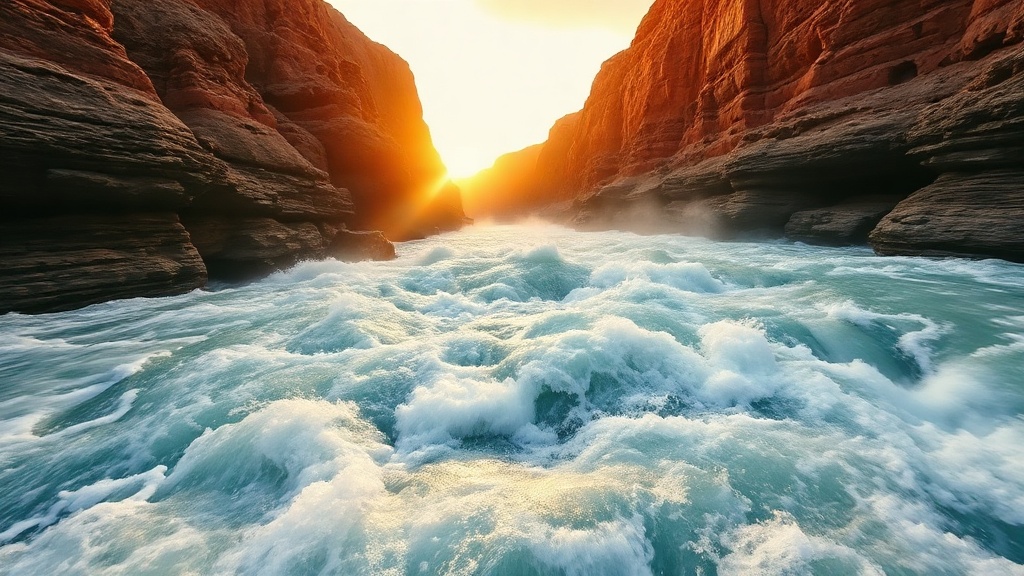
The Zambezi River below Victoria Falls holds some of the most technical white-water on the planet — and for a first-timer, it can absolutely be done without experience. You just need to go in prepared, not optimistic.
The stretch that matters is the roughly 25 kilometres running through the Batoka Gorge, starting at the base of Victoria Falls and finishing near the Boiling Pot. It’s rated Grade IV–V, which means real rapids with real consequences. Operators run this section daily when water levels allow, and the experience draws first-timers from every corner of the world. But “first-timer” doesn’t mean “uninformed.” Here are five things that’ll make the difference between a great day and a genuinely rough one.
—
1. Fly Into Livingstone (LVI), Not Just Johannesburg
This sounds obvious until you’re staring at a $180 price gap on Google Flights and wondering if the overland journey is worth it.
Here’s the honest answer: it depends on your total budget, but for most travellers, flying directly into Harry Mwanga Nkumbula International Airport (LVI) in Livingstone, Zambia, is the smarter move. The airport sits about 10 kilometres from the Boiling Pot put-in point, and most rafting operators offer free or low-cost transfers from the town centre.
If you’re routing through Johannesburg O.R. Tambo (JNB), which is the most common international hub for southern Africa, you can pick up connecting flights on South African Express or Proflight Zambia. Round-trip connections from JNB to LVI typically run $150–$280 USD depending on the season, and the flight itself is under two hours.
The alternative — flying into Victoria Falls Airport (VFA) on the Zimbabwe side — is viable if airfares work out cheaper, but factor in the border crossing time and any visa costs. Zimbabwe’s KAZA UniVisa (around $50 USD as of 2026) covers both countries, but border queues can add 1–2 hours to your transfer.
Honest tradeoff: Flying into LVI is almost always more convenient, but VFA sometimes turns up $60–$90 cheaper on routes from Europe. Run the numbers including ground transport before you commit.
—
2. Book Your Rafting Trip for July Through September — and Here’s Why That’s Non-Negotiable
The Zambezi’s water levels are controlled by seasonal rainfall, and they change the entire character of the river. Get this wrong and you either miss rapids entirely or find yourself staring down a wall of water that no guide would take you through.
- July to September (low water): This is the sweet spot. Water levels drop after the rainy season recedes, exposing the full technical lineup — including the famous Rapid 7 (The Washing Machine) and Rapid 18 (Oblivion). Most first-timers target this window because every major rapid is runnable, guides have maximum visibility into channels, and the gorge is warm and dry.
- October to December (very low water): Still good for rafting, but some rapids turn into technical rock gardens that slow the pace. Less splash, more portaging.
- February to May (high water / flood season): Operators suspend commercial rafting entirely through much of this period. The river rises so dramatically that Rapid 1 through roughly Rapid 10 disappear under the surge. Don’t book flights around this window without confirming directly with an operator.
I’d specifically target late July or August if you’re flying from North America or Europe, because shoulder-season airfares tend to soften slightly compared to peak June/July holiday traffic, and the river is still at ideal levels. Expect full-day raft trips to run $120–$160 USD per person booked locally in Livingstone.
—
3. Understand What “Grade V” Actually Means Before You Say Yes
A lot of first-timers read “Grade V” and either dismiss it as marketing or panic unnecessarily. Neither reaction is useful.
The International Scale of River Difficulty runs I to VI. Grade V means violent, powerful rapids with complex routes that require precise maneuvering and carry real risk of injury. The Zambezi’s hardest sections — particularly Rapid 9 (Commercial Suicide) and the gorge exit stretch — legitimately deserve that rating. People do swim them regularly, and swims in Grade V water are not gentle.
What this means practically:
- You will almost certainly flip or swim at least once. That’s not a warning — it’s just a statistical reality on a full-day trip. A good guide will prepare you for how to handle it.
- You don’t need prior experience, but you do need to be a competent swimmer and reasonably fit. Climbing back into a raft from the water takes arm and core strength.
- Pay attention during the safety briefing. I know it feels like an airline safety card moment, but the Zambezi is not the place to half-listen. The “defensive swimming” position — on your back, feet downstream — is genuinely life-saving information.
- Guides are licensed and experienced. Reputable operators like Bundu Adventures or Safari Par Excellence (both based in Livingstone as of 2026) employ guides who run this river hundreds of days per year. Listen to them over everything else.
Honest tradeoff: The most dramatic rapids can be scouted and portaged if you’re not comfortable. No legitimate operator forces you to run anything. But portaging the big ones means a long, steep scramble in the gorge heat — sometimes preferable, sometimes not.
—
4. Pack Smarter, Not Heavier — Your Gear List for the Gorge
The Batoka Gorge is not a place for a fully loaded daypack. You’re going to be in the water. Everything you bring either needs to be waterproof or completely expendable.
Operators supply helmets, personal flotation devices (PFDs), and paddles. What they don’t always supply — or supply well — is everything else.
What to bring:
- Sport sandals or old sneakers that can get soaked and provide grip on wet basalt. Flip-flops will come off on the first swim.
- Synthetic or quick-dry shorts and a rash guard. Cotton is genuinely miserable once wet in a gorge where you’re exposed to direct African sun. A UV-rated rash guard doubles as sun protection.
- High-SPF waterproof sunscreen (SPF 50+). The gorge walls bounce light back at you. Apply before you leave the hotel, then again at the put-in.
- A dry bag for your phone and any snacks. Most operators give you one, but bring your own small 5-litre bag to be safe — operator-supplied bags vary in quality.
- A small amount of cash (around $10–$20 USD) if you want to buy photos or video footage captured by the operator’s on-river photographer. It’s genuinely worth it — you’ll want evidence.
What to leave at the hotel:
- Expensive watches or jewellery
- A GoPro unless it’s on a chest mount rated for submersion (head mounts detach on hard swims)
- Contact lenses if you can avoid them — gorge water in your eyes is unpleasant
The total gear cost if you’re buying everything new is manageable — a decent rash guard runs $25–$40 USD, and river sandals like Tevas or Chacos are $40–$70 USD and will last for years of trips.
—
5. Budget for the Full Livingstone Experience — the Rafting Is Just One Line Item
Livingstone is one of those places where first-timers consistently under-budget because they only price the raft trip. Then they get there and discover that the entire activity ecosystem around Victoria Falls is compelling, well-priced, and dangerously easy to add on.
Here’s a rough honest breakdown for a 4-night Livingstone trip in 2026, not including international flights:
- Rafting (full day): $120–$160 USD
- Mid-range guesthouse or lodge in Livingstone town: $60–$120 USD per night ($240–$480 total)
- Victoria Falls entry fee (Zambia side): approximately $20 USD
- Meals: $8–$20 USD per meal at local restaurants; budget $40–$60 USD/day total with drinks
- Airport transfers and local transport: $30–$50 USD for the trip
- KAZA UniVisa (if flying via Zimbabwe): $50 USD
A realistic total for four nights, all activities included, lands around $700–$1,000 USD on the ground, before international airfare.
On the flight side: from the US East Coast, expect round-trip fares to JNB to run $900–$1,400 USD in economy on carriers like South African Airways, Ethiopian Airlines, or Delta with a codeshare. From the UK, Heathrow to LVI (via JNB or Nairobi) typically comes in at £700–£1,100 return in 2026. Set a fare alert on Google Flights or Hopper about four to five months out — that’s typically where the value window opens for southern Africa routes.
Honest tradeoff: Livingstone is not a cheap-and-cheerful backpacker circuit stop anymore. It’s matured into a proper adventure tourism hub with rising accommodation costs. The rafting itself remains exceptional value for a Grade V experience, but if you’re on a tight budget, you’ll feel the squeeze elsewhere — particularly on lodging if you’re visiting during July or August peak.
—
One Thing Nobody Tells You Before You Go
The exit from the gorge is harder than the rapids.
After a full day on the water, you’ll face a climb — sometimes 30–45 minutes — out of the Batoka Gorge on steep, rocky trails. It’s hot, your legs are already worked, and it comes right at the moment when you think the adventure is over. It isn’t. Bring a small electrolyte packet or two in your dry bag, drink water at every opportunity on the river, and wear shoes you can actually hike in rather than pure water sandals.
The gorge doesn’t care that you’re tired. But I promise the cold beer waiting at the top tastes better for it.
—
Book Your Flights Now — Here’s the Concrete Next Step
Open Google Flights, set your origin, and search for LVI (Livingstone) or VFA (Victoria Falls) with flexible dates in late July or August 2026. Enable price tracking on the route. Most competitive fares appear 12–16 weeks before departure for Africa routes. If you’re flexible on routing, check both JNB and NBO (Nairobi) as connection hubs — Ethiopian Airlines via Addis Ababa (ADD) frequently undercuts other carriers by $150–$200 USD on transatlantic legs.
Once your flights are locked, contact a Livingstone-based operator directly — email beats booking platforms for getting accurate water-level conditions and securing a spot on a specific date. The Zambezi will do the rest.
Related Posts
Stay Informed With the Latest & Most Important News
Previous Post
Next Post











Advertisement