

Now Reading: Best Wine Regions in Italy to Visit in 2026: A Real Guide
-
01
Best Wine Regions in Italy to Visit in 2026: A Real Guide

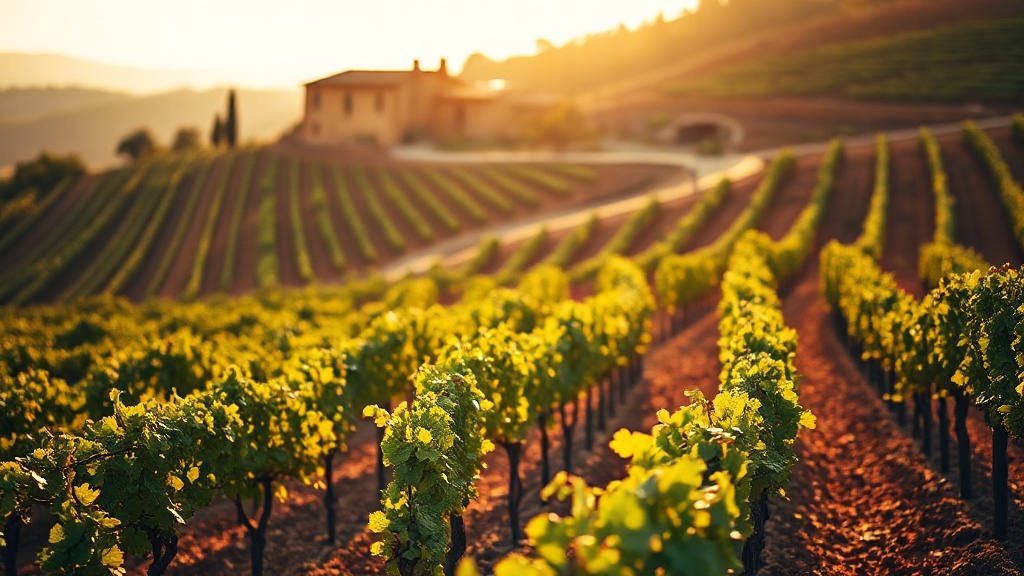
Italy produces more wine than any other country on earth — over 49 million hectolitres a year — and in 2026, getting there has never been more strategically rewarding if you know which regions to target and how to route your flights. This guide cuts through the noise and tells you where to go, what to drink, and which airports actually serve each region.
Why 2026 Is a Solid Year to Plan an Italian Wine Trip
Flight capacity between North America and Italy has expanded significantly since 2024, with several carriers adding or restoring direct routes into secondary Italian airports. That means you’re not always forced to route through Rome’s Leonardo da Vinci–Fiumicino (FCO) or Milan Malpensa (MXP) just to reach wine country.
Round-trip fares from major U.S. East Coast cities to Italy have been tracking in the $600–$950 range in economy for travel outside peak summer weeks (avoid mid-June through late August if budget matters). Booking 3–4 months out, ideally for September or October harvest season travel, consistently turns up the best combination of price and weather.
Honest tradeoff: Flying into a secondary airport like Bologna (BLQ) or Catania (CTA) can save you $100–$200 per ticket compared to Rome or Milan, but connecting options from the U.S. are limited and often require a layover in a European hub like Frankfurt, Amsterdam, or London Heathrow.
—
Tuscany: Still the Benchmark, for Good Reason
Tuscany is Italy’s most recognized wine region, and it earns that reputation every single vintage. The area around Florence and Siena produces Chianti Classico, Brunello di Montalcino, and Vino Nobile di Montepulciano — three DOCGs that wine travelers specifically fly across the Atlantic to explore.
Getting There
- Best airport: Florence (FLR) or Pisa (PSA), both roughly 60–90 minutes from the core Chianti Classico zone
- Alternative: Bologna (BLQ) is about 100km from Florence and often cheaper to fly into from Europe
- Direct flights from the U.S. to Florence are rare; most itineraries connect through Rome or a northern European hub
What to Do
Spend at least 3 nights in the Chianti Classico zone — the stretch between Florence and Siena along the SS222 highway. Estate tastings at smaller producers typically run €20–€40 per person and include 4–6 wines with a light food pairing. The larger, more famous names charge more and feel more touristy; the mid-sized family estates are where you’ll get the best ratio of quality to experience.
September and October are ideal: harvest is underway, the weather drops to manageable temperatures (low-to-mid 20s Celsius), and the vineyards look their best without the July crowds.
—
Piedmont: The Serious Drinker’s Italy
If Tuscany is Italy’s approachable wine superstar, Piedmont is its intellectual older sibling. The Langhe hills in northwestern Italy produce Barolo and Barbaresco from the Nebbiolo grape — wines that regularly trade for $50–$300+ per bottle at retail. Visiting the region and drinking them at the source is one of the great underrated wine travel experiences.
Getting There
- Best airport: Turin (TRN) — about 60km from the town of Alba, the heart of Barolo and Barbaresco country
- Alternative: Milan Malpensa (MXP) is about 150km away but has far more international connections, including direct U.S. routes
- Car rental is essentially mandatory here; public transport doesn’t reach most vineyard villages
What to Do
The villages of La Morra, Barolo, Castiglione Falletto, and Barbaresco are all within a 20km radius. Many producers offer cellar tours for €15–€30 that include a walk through aging rooms packed with large Slavonian oak barrels. Book these in advance — the best estates fill up weeks out, especially during October’s Fiera del Tartufo (white truffle fair) in Alba, which runs through November and draws serious food-and-wine travelers from across Europe.
Honest tradeoff: Piedmont is less set up for the casual tourist than Tuscany. English-speaking guides and slick tasting rooms are less common. If you want a hand-held experience, hire a local guide for a day (typically €150–€250); if you’re comfortable doing your own research, you’ll have more authentic encounters.
—
Veneto: Volume, Value, and Prosecco on Tap
The Veneto region, anchored by Venice (VCE), is Italy’s highest-producing wine region by volume — and it’s easy to dismiss as a land of cheap Pinot Grigio and mass-market Prosecco. That’s a mistake.
Getting There
- Best airport: Venice Marco Polo (VCE) — direct flights from New York JFK (Delta operates this route), typically $700–$1,100 round-trip depending on season
- Verona (VRR) is another option, about 120km west of Venice, and serves as a gateway to Valpolicella and Soave
The Wines Worth Your Time
Not all Veneto wine is created equal. These three appellations are genuinely worth seeking out:
- Amarone della Valpolicella: A powerful, concentrated red made from partially dried Corvina grapes. Bottles from top producers like Dal Forno Romano or Quintarelli retail for $80–$150 and up. Tasting them in the cellar is a different experience entirely.
- Soave Classico: The small historic zone around Soave town produces dry whites from Garganega that rival good white Burgundy. Bottles in the region sell for €8–€18.
- Conegliano Valdobbiadene Prosecco Superiore: The DOCG version — not the cheap stuff — comes from steep hillside vineyards about 60km north of Venice. The Rive single-village bottlings are worth seeking out specifically.
Honest tradeoff: Venice adds unavoidable tourist-tax overhead to any trip. Accommodation is expensive and the city itself can feel overwhelming. Consider using Verona or Treviso as a base instead — both are 45–90 minutes from key wine zones by car and cost meaningfully less to sleep in.
—
Sicily: The Best Value Wine Region in Italy Right Now
Sicily has transformed its wine identity over the past decade. The island now produces serious red wines from Nero d’Avola and Nerello Mascalese, plus compelling whites from Carricante and Grillo — at prices that still haven’t caught up with quality. That gap won’t last forever.
Getting There
- Best airport: Catania Fontanarossa (CTA) on the eastern coast — closest to Etna DOC, the region generating the most international buzz right now
- Alternative: Palermo (PMO) on the western side, better for Marsala and the western appellations
- Several European carriers fly direct to both airports; U.S. travelers typically connect in Rome, Milan, or a European hub. Fares from the U.S. to Catania often run $800–$1,100 round-trip with one stop.
Mount Etna: The Region to Watch in 2026
The wines from the slopes of an active volcano are as dramatic as they sound — and the place itself is visually unlike anywhere else in Italy. Nerello Mascalese from the north slope (the Etna Nord contrade) produces light-colored, high-acid reds that invite Pinot Noir comparisons, though they’re distinct. Estate visits run €20–€50 and often include a walk through ancient pre-phylloxera vines, some over 100 years old.
March through May and September through October are the sweet spots for visiting: manageable temperatures, no summer crowds, and the harvest buzz in autumn.
—
Campania and the South: The Long-Haul Bet
Southern Italy’s wine scene doesn’t get the same international attention, but Campania — the region around Naples — produces two wines that deserve it: Taurasi (a powerful Aglianico-based red) and Greco di Tufo (a mineral-driven white).
Getting There
- Best airport: Naples (NAP) — increasingly well-connected with European hubs; U.S. travelers connect via Rome, Amsterdam, or London
- The Irpinia wine zone (home to Taurasi and Greco di Tufo) is about 60–90km east of Naples by car
This region pairs naturally with an Amalfi Coast visit, making it easier to justify the routing. Winery visits here are less polished than in Tuscany but often more generous — expect to be offered lunch alongside your tasting.
Honest tradeoff: Infrastructure in the southern wine zones is genuinely less developed. GPS routing can be unreliable in hill towns; some estates don’t have websites; and some producers don’t accept credit cards. Bring cash and a downloaded offline map.
—
How to Build Your Itinerary Around Flights
Here’s how I’d approach a two-week Italy wine trip in 2026, routing-wise:
- Fly into Milan Malpensa (MXP) — best U.S. connectivity, lowest fares to the north
- Spend 4 nights in Piedmont (drive south to the Langhe)
- Train to Florence (1h 50m on the Frecciarossa high-speed) — no need to rent a car for this leg
- Spend 4–5 nights in Tuscany (rent a car in Florence)
- Fly home from Rome FCO — open-jaw tickets typically add only $30–$80 to the fare and save a full day of backtracking
This itinerary covers two of Italy’s three elite wine regions, uses fast trains where they make sense, and avoids doubling back north.
If Sicily is your priority, a separate trip or a southern extension through Naples makes more logistical sense — trying to combine Piedmont, Tuscany, and Sicily in one trip means spending too many hours in transit.
—
Booking Your Flights: What Actually Works
A few things I’ve found consistently useful when booking Italy wine trips:
- Google Flights’ price graph is the single best tool for identifying low-fare windows 3–5 months out
- Open-jaw routing (fly into one city, out of another) almost always beats the cost of backtracking on a round-trip
- Tuesday and Wednesday departures still tend to be cheaper than weekend flights on transatlantic routes
- Set fare alerts for your target airports starting 16–20 weeks before your travel dates — that’s the window where transatlantic economy fares typically dip before climbing again
The September–October harvest window is genuinely the right time to go. Prices are lower than peak summer, the weather cooperates, and you’ll find producers in a more celebratory mood than any other time of year.
—
Ready to start planning? Pull up Google Flights right now and run a search for MXP or FLR for the last two weeks of September 2026. Set a price alert at your target budget, then spend the next 30 minutes mapping out the three or four estates you most want to visit. That combination — locked-in flights plus pre-booked tastings — is the move that separates a great wine trip from an expensive one.
Stay Informed With the Latest & Most Important News
Previous Post
Next Post














Advertisement