
Now Reading: 7 Thrilling Outdoor Activities to Try Around the World in 2026
-
01
7 Thrilling Outdoor Activities to Try Around the World in 2026

If you’re going to burn miles on a long-haul flight in 2026, make the destination earn it. These seven outdoor adventures are each good enough to build an entire trip around — and I’ve included the flight angles so you know exactly what you’re signing up for.
—
1. Heli-Hiking on Iceland’s Vatnajökull Glacier (April–September)
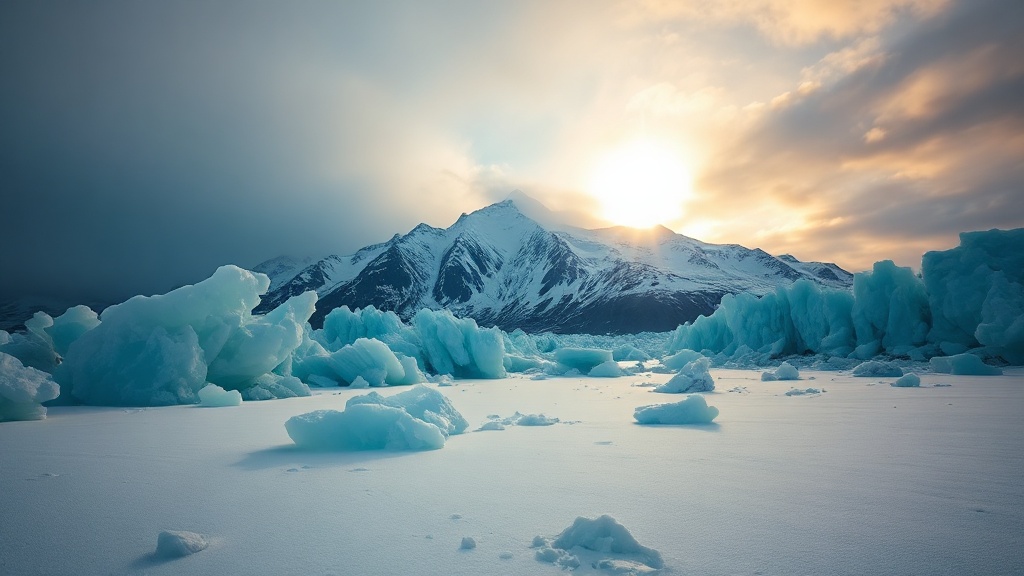
Vatnajökull is the largest glacier in Europe by volume, covering roughly 8% of Iceland’s total land area. Heli-hiking — where a helicopter drops you onto a remote ice field and guides lead you across crevasse fields — has exploded in popularity since 2023, and outfitters based out of Höfn are still the best access point.
Flight angle: Reykjavik’s Keflavik International Airport (KEF) is the main entry hub. Return flights from New York (JFK) typically run $450–$700 in shoulder season (April–May). From there, Höfn is about a 5-hour drive east or a short domestic flight on Air Iceland Connect.
- Season window: late April through mid-September
- Guide-led heli-hike day tours: roughly $350–$500 per person
- Combine with the Jökulsárlón glacier lagoon for a full eastern Iceland itinerary
Honest tradeoff: Iceland in April means 40°F temperatures and unpredictable wind. The helicopter is grounded when visibility drops. Build at least one buffer day into your itinerary or you risk missing the activity entirely.
—
2. White-Water Rafting the Nile, Uganda (Year-Round, Best November–February)
The section of the White Nile near Jinja — about 80 km east of Kampala — is consistently rated one of the top rafting runs on the planet. Class IV and Class V rapids with names like “The Nile Special” and “Bad Place” give you a sense of what the day involves. Full-day trips run approximately $125 per person including lunch and transfers from Jinja town.
Flight angle: Entebbe International Airport (EBB) is the main gateway. Nonstop options are limited from North America, but connections through Amsterdam (AMS) on KLM or through Doha (DOH) on Qatar Airways are the most reliable. Expect round-trip fares from the US East Coast in the range of $900–$1,300 for November travel.
- Best dry-season window: November through February
- Minimum age for Grade V sections: typically 15 years
- Jinja is also the self-proclaimed “Adventure Capital of East Africa” with bungee and kayaking add-ons
Honest tradeoff: Jinja’s rapids have changed since the Owen Falls Dam raised water levels — some legendary rapids no longer exist. The run is still excellent, but purists who rafted here pre-2000 may find it different from what they remember.
—
3. Via Ferrata in the Dolomites, Italy (June–October)
Italy’s Dolomite range in South Tyrol offers some of the most dramatic via ferrata (iron-way) climbing routes in the world. Fixed iron rungs and cables are bolted into near-vertical limestone faces, making routes accessible to fit beginners while still delivering serious vertical exposure. The Cinque Torri area near Cortina d’Ampezzo has routes graded from easy (2A) to very difficult (5C).
Flight angle: Venice Marco Polo (VCE) is your best bet — about 2.5 hours by car to Cortina. Return flights from the US typically run $550–$900 depending on season and booking lead time. June departures booked 3–4 months in advance tend to hit the lower end.
- Season: late June through early October (cables can be iced over outside this window)
- Half-day guided via ferrata tours out of Cortina: around €80–€120 per person
- Gear (harness, helmet, via ferrata set) can be rented locally for roughly €25/day
Choosing the Right Route
If it’s your first time, the Averau–Nuvolau loop is 4–5 hours round-trip and rated 2B — challenging enough to feel real, manageable enough to actually enjoy the views. The more committing Dibona route on Tofana di Rozes is a full-day, multi-pitch experience and requires solid fitness.
Honest tradeoff: July and August are peak months — trailheads near Cortina fill before 8 a.m. Either arrive at the cable car by 7 a.m. or plan your trip for June or September when the crowds thin out significantly.
—
4. Surfing Mentawai Islands, Indonesia (April–October)
The Mentawai Islands, off the west coast of Sumatra, produce some of the most consistent and powerful left-hand barrel waves on the planet. Spots like Macaronis and Lance’s Right are referenced in professional surf circuits for good reason. The wave season runs April through October, with June and July delivering the largest swells.
Flight angle: Fly into Padang’s Minangkabau International Airport (PDG), then take a ferry or speedboat to the islands (2–8 hours depending on destination). International connections typically route through Kuala Lumpur (KUL) or Singapore (SIN). Round-trip fares from the US West Coast run roughly $900–$1,400.
- Surf camp packages (7 nights, boat + meals + guiding): typically $1,500–$2,800 depending on accommodation level
- Best swells: June–July
- Intermediate to advanced surfers only for the reef breaks; beginner-friendly beach breaks exist but aren’t the draw here
Honest tradeoff: These are reef breaks, and the consequence of a wipeout is real — coral cuts are common and can become infected in the tropics quickly. Travel insurance with medical evacuation coverage isn’t optional here; it’s table stakes.
—
5. Dog Sledding in Finnish Lapland (December–March)
Running a dog sled across a frozen lake at sunrise — temperatures hovering around -15°C — is one of those experiences that doesn’t translate well on a phone screen but stays with you for years. Rovaniemi in Finnish Lapland is the most accessible hub, with licensed outfitters running everything from 2-hour taster experiences to full multi-day expeditions into the backcountry.
Flight angle: Rovaniemi Airport (RVN) has direct winter charter connections from several European cities. From North America, the cleanest route is to fly into Helsinki Vantaa (HEL) — well-served from JFK and ORD — and connect domestically. Finnair runs the Helsinki–Rovaniemi leg multiple times daily. Transatlantic fares to HEL typically range $550–$950 in December.
- Multi-day dog sled expeditions: €200–€450 per person per day all-inclusive
- Best window for combined sledding + Northern Lights: mid-January through early March
- Solo mushing (you drive your own sled) is available from most operators after a 30-minute briefing
What to Realistically Expect
You won’t be mushing solo across the tundra on day one. Most multi-day trips rotate roles — one person rides in the sled while the other drives, switching every hour or so. It’s physically demanding even in the passenger seat when temperatures drop below -20°C.
Honest tradeoff: Rovaniemi has leaned heavily into Santa Claus tourism, which means December is crowded and pricier. If dog sledding is the priority, January or February delivers better conditions with fewer package-tour groups.
—
6. Mountain Biking the Atacama Desert, Chile (October–April)
The Atacama — the driest non-polar desert on Earth — sounds like a counterintuitive place to ride a mountain bike. But the combination of high-altitude lunar terrain, hardpack trails, and jaw-dropping descents around San Pedro de Atacama has made it a serious destination for enduro and trail riders. The descent from Cerro Toco, at around 5,600 meters elevation, is roughly 35 km of graded downhill to the altiplano below.
Flight angle: Fly into Calama Airport (CJJ), about 100 km from San Pedro. Connections route through Santiago’s Arturo Merino Benítez Airport (SCL). Round-trip fares from Miami or New York to Santiago typically run $700–$1,100, with budget options on LATAM and Sky Airline increasing frequency on the SCL–CJJ domestic leg.
- Guided biking tours out of San Pedro: roughly $80–$180 per day
- Acclimatization time recommended: 2 full days at altitude before attempting high-elevation rides
- October–November and March–April offer mild temperatures and minimal dust storms
Honest tradeoff: Altitude sickness is a genuine concern at 2,400+ meters in San Pedro, and some trails push to 5,000+ meters. Diamox (acetazolamide) is widely available in Chilean pharmacies, but consult a travel doctor before departure.
—
7. Sea Kayaking the Galápagos Islands, Ecuador (December–May)
The Galápagos need no inflated adjectives — the wildlife density here is simply unlike anywhere else on the Pacific coast. Sea kayaking puts you at water level alongside sea lions, marine iguanas, and blue-footed boobies in ways a zodiac tour can’t replicate. Live-aboard and land-based tour operators based out of Santa Cruz Island now offer guided kayaking as a daily excursion option.
Flight angle: All Galápagos flights depart from Quito (UIO) or Guayaquil (GYE) to either Baltra (GPS) or San Cristóbal (SCY). International connections into Quito from Miami, Houston, and New York are strong, with round-trips typically $400–$750 from the US. The inter-island flight or ferry to Santa Cruz adds roughly $30–$100.
- Galápagos National Park entrance fee: $200 per person (updated 2024 rate for most international visitors)
- Guided kayaking excursions as part of a tour package: often included; standalone day-tour rentals around $60–$90
- Best season for calm water kayaking: December through May (warm season)
Permit and Booking Realities
You cannot free-roam the Galápagos. All visitors must be accompanied by a licensed naturalist guide. Land-based tours with kayaking components book out 3–5 months in advance for peak December–January travel. Don’t leave this one late.
Honest tradeoff: The $200 park entrance fee stings, and live-aboard cruises that include kayaking can cost $3,000–$6,000+ per person for 8 days. The land-based option out of Puerto Ayora on Santa Cruz cuts costs significantly while still giving you water access — it just requires more logistical coordination.
—
How to Build Your 2026 Adventure Calendar
With airfare being the biggest variable in any of these trips, here’s how I’d approach booking:
- Set fare alerts now on Google Flights or Hopper for Iceland (KEF), Uganda (EBB), and Ecuador (UIO/GYE) — these routes see significant price volatility
- Book Galápagos and Mentawai tours first, then buy flights around confirmed tour dates — availability, not airfare, is the bottleneck
- Use shoulder season strategically: April in Iceland, November in Uganda, and March in Finnish Lapland all offer lower fares with minimal trade-off in experience quality
- Check airline alliance coverage: Dolomites (VCE) and Chile (SCL) sit on strong Star Alliance and oneworld networks respectively — worth burning miles if you have them
—
Pick one destination from this list that you’ve never considered before, pull up Google Flights right now, and set a price alert. You don’t have to commit — just see what the numbers look like for your preferred travel window. That single step has launched more trips than any amount of inspiration ever did.
Related Posts
Stay Informed With the Latest & Most Important News
Previous Post
Next Post










Advertisement