

Now Reading: From Zip-Lining to Snorkeling: 8 Top Activities to Book in 2026
-
01
From Zip-Lining to Snorkeling: 8 Top Activities to Book in 2026


Booking a flight is only half the plan — what you do after you land is what actually makes the trip worth remembering. Here are eight activities that genuinely justify the cost of a long-haul ticket in 2026, with real numbers and honest takes on what’s worth your time (and what comes with caveats).
—
1. Zip-Lining in Monteverde, Costa Rica
Costa Rica’s cloud forest has been drawing adrenaline seekers for decades, and the zip-line infrastructure in Monteverde has only gotten sharper. Operators like Sky Adventures run cables that stretch over 750 meters, reaching heights above the forest canopy that are hard to replicate anywhere else in the world.
What to budget: Tours typically run $60–$90 USD per adult, depending on whether you add a Tarzan swing or hanging bridges walk.
Getting there: Fly into Juan Santamaría International Airport (SJO) in San José, then take a 3–4 hour shuttle north toward the Tilarán mountain range. Direct flights from the U.S. East Coast start around $350–$500 round-trip in 2026, particularly if you book January through March departures during the dry season.
Honest tradeoff: The cloud forest is famous for a reason — it’s almost always covered in mist. That atmospheric haze looks great in photos but can mean cool, damp conditions mid-tour. Pack a light rain jacket even if it looks sunny at breakfast.
—
2. Snorkeling the Great Barrier Reef, Australia
The reef is under real environmental pressure — that’s not a secret — but significant stretches of the outer reef off Cairns remain genuinely spectacular, especially the Agincourt Reef section, which sits about 100 km from the coast and tends to have clearer visibility than inner-reef sites.
What to budget: Day-trip pontoon tours from Cairns (CNS) typically cost $180–$250 AUD (roughly $115–$165 USD). Add $50–$80 USD for a certified intro dive if snorkeling isn’t enough.
Getting there: Cairns is well-served from Sydney, Melbourne, and Brisbane on domestic legs. International travelers flying from the U.S. usually connect through Sydney (SYD) or Brisbane (BNE). Look for fares in the $900–$1,200 USD range for round-trips from Los Angeles in shoulder season (April–June 2026).
Honest tradeoff: The outer reef tours are a full-day commitment — typically 8–10 hours including transit. If you’re prone to seasickness, the 90-minute catamaran ride to Agincourt Reef can be rough. Book a morning departure for calmer conditions and take medication the night before just in case.
—
3. Hot Air Ballooning over Cappadocia, Turkey
Few experiences on earth look as good in real life as they do in photos, but Cappadocia’s ballooning is one of them. Flying over the fairy chimneys of Göreme Valley at sunrise — with lift-off typically around 5:30 AM — is as close to cinematic as a morning gets.
What to budget: Reputable balloon operators charge $180–$250 USD per person. I’d avoid anything priced under $150 USD; the safety record of budget operators in the region is inconsistent.
Getting there: Fly into Nevşehir Kapadokya Airport (NAV) or Kayseri Erkilet Airport (ASR), both of which receive domestic connections from Istanbul (IST). Turkish Airlines and Pegasus both serve this route for under $60 USD one-way from Istanbul, where transatlantic connections are easy to find.
Honest tradeoff: Flights are weather-dependent and can be canceled with short notice — especially November through February. If you’re building your trip around this specific activity, arrive at least two nights before your scheduled flight date to allow for rebooking.
—
4. White-Water Rafting the Pacuare River, Costa Rica
Still in Costa Rica (yes, it earns two spots), the Pacuare River runs through one of Central America’s most intact rainforest corridors and offers Class III–IV rapids suitable for first-timers who don’t mind getting soaked.
What to budget: Full-day guided rafting tours run $99–$140 USD per person, including lunch and transport from San José or the Caribbean coast.
Getting there: Same SJO entry point as Monteverde, but head east toward Turrialba rather than northwest. The drive is about 2 hours from the capital.
Honest tradeoff: The Pacuare is more popular than it used to be — on peak-season weekends (December–April), you’ll share the river with several other groups. If you want a quieter float, book a May or June departure. Rain actually improves the rapids, and the jungle is greener.
—
5. Cycling the Mekong Delta, Vietnam
Vietnam has become one of Southeast Asia’s most compelling cycling destinations, and the Mekong Delta — the flat, river-laced farmland south of Ho Chi Minh City — is ideal for riders of all fitness levels. Guided day-trips out of Can Tho take you through rice paddies, floating markets, and small villages on roads that rarely see heavy traffic.
What to budget: Guided cycling day-trips from Can Tho run $35–$60 USD. Multi-day delta tours with accommodation and a guide cost $150–$300 USD for 3 nights.
Getting there: Fly into Tan Son Nhat International Airport (SGN) in Ho Chi Minh City (about $700–$1,000 USD round-trip from the U.S. West Coast in 2026), then take a 3-hour bus or shared minivan to Can Tho.
Honest tradeoff: The delta’s flat terrain is a plus, but humidity from April through June can be brutal — think 35°C with 80–90% humidity. October through March is the smarter window, and flight prices to SGN tend to dip during that period too.
—
6. Ice Cave Exploration in Iceland
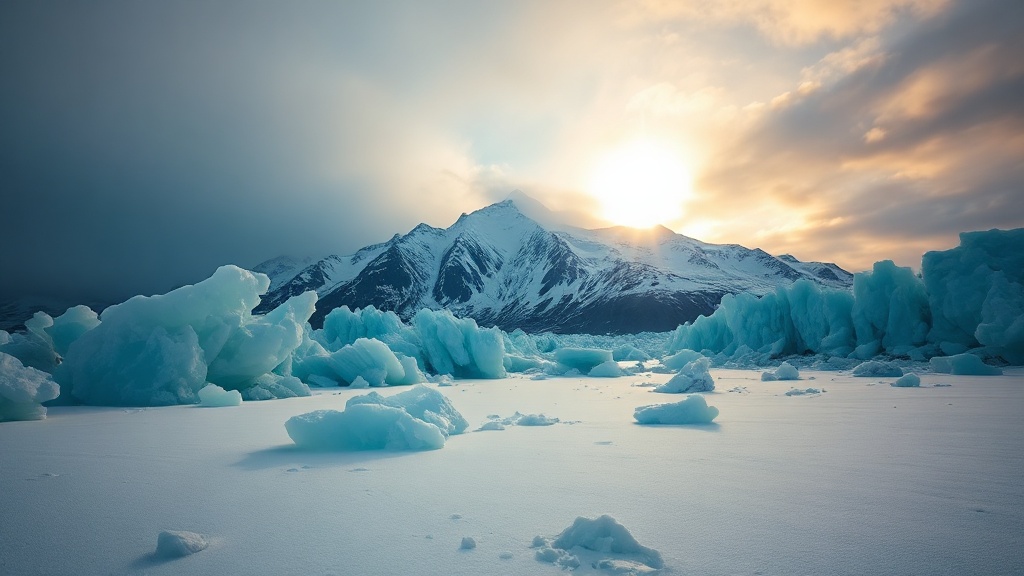
Iceland’s glacial ice caves are genuinely different in 2026 than they were five years ago — some older formations near Jökulsárlón have shrunk noticeably, making this one of those activities that carries real urgency. The blue ice caves inside Vatnajökull glacier, however, remain exceptional and are accessible on guided tours from November through March.
What to budget: Guided ice cave tours run $100–$160 USD per person from the nearby town of Höfn or from the Ring Road. Natural, non-man-made cave tours require a licensed guide by law, so don’t try to DIY this one.
Getting there: Fly into Reykjavík Keflavík International Airport (KEF). Icelandair and other carriers run transatlantic routes with base fares occasionally dipping below $400 USD from New York (JFK) during November–January. Höfn is about a 5-hour drive from Reykjavík along the Ring Road — scenic, but not short.
Honest tradeoff: These tours book out 4–8 weeks in advance during peak winter season. If you’re planning a December or January 2026 trip, don’t wait until October to lock in a spot.
—
7. Surfing Lessons in Ericeira, Portugal
Ericeira, about 40 km northwest of Lisbon, holds one of only 11 World Surfing Reserve designations on the planet. It’s not a beginner’s paradise at the advanced breaks, but the protected bays around Ribeira d’Ilhas and São Sebastião are excellent for first-timers, with consistent Atlantic swells and a well-established surf school scene.
What to budget: A 2-hour beginner surf lesson typically costs €35–€55 ($38–$60 USD). Week-long surf camps with accommodation run €500–€800 ($540–$870 USD).
Getting there: Fly into Lisbon Humberto Delgado Airport (LIS). Round-trip fares from the U.S. East Coast hover around $550–$800 USD in spring 2026, and March through May offers the best combination of swell and manageable crowds. From LIS, rent a car or grab a bus to Ericeira — it’s under an hour.
Honest tradeoff: Ericeira’s popularity has grown fast. The town itself is small, and accommodation fills up quickly for summer weekends. Book lodging at least 6–8 weeks ahead if you’re targeting June through August. Spring is honestly a better bet on every metric.
—
8. Hiking the W Trek in Patagonia, Chile
The W Trek in Torres del Paine National Park is a 70-km route that takes 4–5 days at a moderate pace, passing through glaciers, turquoise lakes, and granite towers that look like they belong on another planet. It requires preparation, but it’s accessible to any reasonably fit hiker.
What to budget: Park entrance fees cost around $35 USD per person. Refugio (hut) accommodation on the trail runs $50–$100 USD per night per person, including meals. Budget roughly $300–$500 USD for the trek itself, not counting flights.
Getting there: Fly into Punta Arenas Airport (PUQ) or Presidente Carlos Ibáñez del Campo International Airport — same place. LAN/LATAM runs connections from Santiago (SCL). International flights from the U.S. to Santiago typically run $900–$1,300 USD round-trip. The best trekking months are November through March (Southern Hemisphere summer).
Honest tradeoff: The trail’s popularity has created a reservation crunch. CONAF, the national parks authority, now requires advance booking for refugios and campsites, and peak months (December–February) sell out as early as June of the prior year. For a January 2026 trek, your booking window is essentially now.
—
How to Build a Trip Around These Activities
A few patterns worth noticing across this list:
- Dry-season timing matters more than people realize. At least five of these eight activities have a meaningful “wrong season” that can derail the experience. Matching your flight booking to the activity’s best window — not just the cheapest fare — is the smarter move.
- Book activities before flights when demand is limited. Ice caves in Iceland, Patagonia refugios, and Cappadocia balloon slots all have fixed capacity. Lock in the activity reservation first, then build your flights around it.
- Use fare alerts for the gateway airports. The key airports feeding these destinations — KEF, SJO, CNS, LIS — all see meaningful price swings of $150–$300 USD depending on booking lead time and travel month. Set alerts on Google Flights or Hopper 3–5 months before your target dates.
- Multi-country itineraries can stretch the value. Costa Rica’s two entries (Monteverde zip-lining + Pacuare rafting) are only 3–4 hours apart by road, meaning one transatlantic fare covers both.
—
Your Concrete Next Step
Pick the one activity on this list that you’ve been putting off for “someday” — then open Google Flights right now and check fares for the optimal travel month listed above. If prices look reasonable, set a fare alert and book the activity slot first. For Patagonia and Iceland ice caves specifically, don’t wait: 2026 availability at the good operators will thin out faster than you’d expect.
Related Posts
Stay Informed With the Latest & Most Important News
Previous Post
Next Post














Advertisement